UK road signs and their meanings
205 UK road signs: what each one means, where you see it and common mistakes.
Regulatory signs
Signs that give orders. A red ring or circle tells you what you must not do, and a blue circle tells you what you must do. STOP and GIVE WAY are the exceptions. All regulatory signs
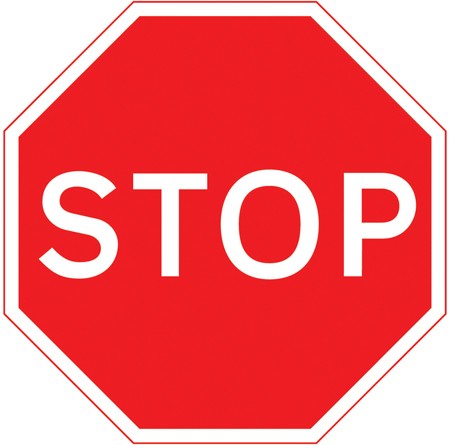 Stop signStop completely at the line, then give way.
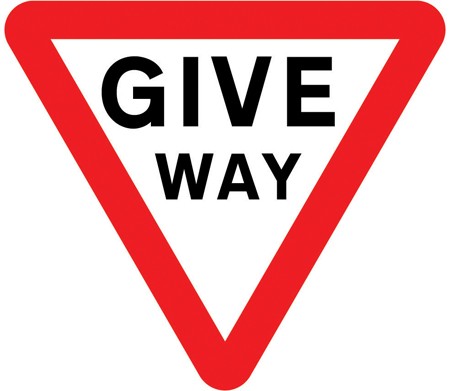 Give way signLet traffic on the major road go first.
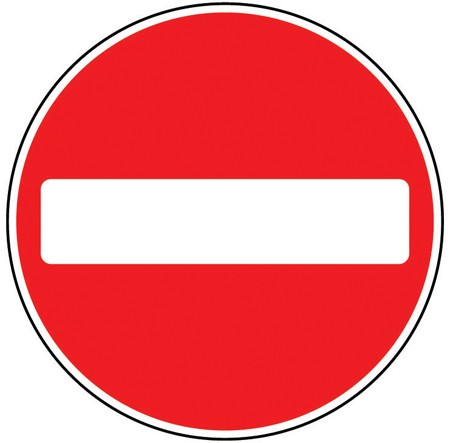 No entry signNo vehicles may go in from this side.
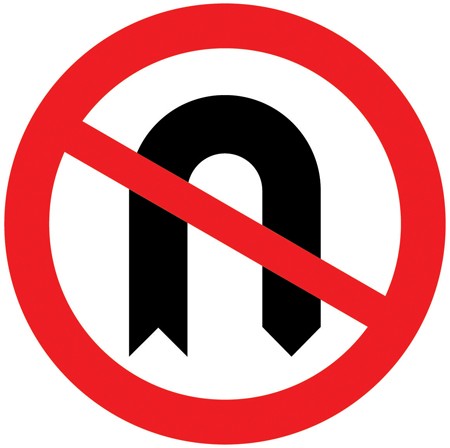 No U-turns signDo not turn round to go back the way you came.
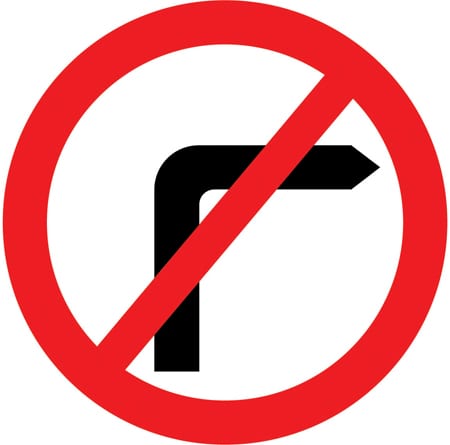 No right turn signDo not turn right here.
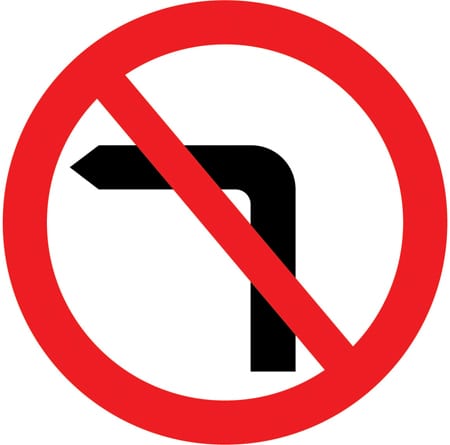 No left turn signDo not turn left here.
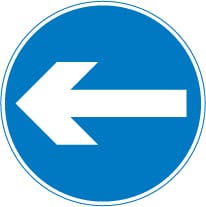 Turn left signYou must go the way the arrow points.
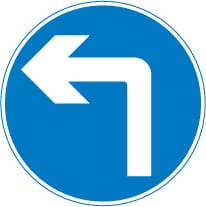 Turn left ahead signYou must turn left at the junction ahead.
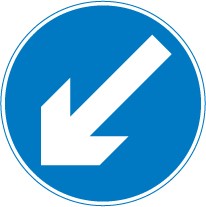 Keep left signPass on the left of the island or bollard.
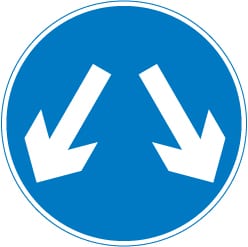 Pass either side signYou may pass on either side to the same place.
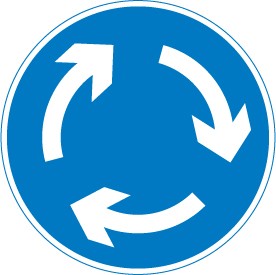 Mini-roundabout signGive way to traffic from your immediate right.
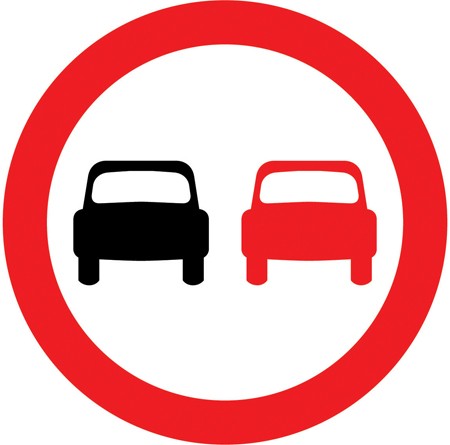 No overtaking signDo not overtake until the restriction ends.
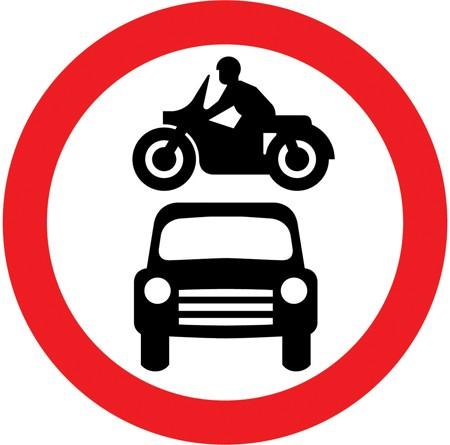 No motor vehicles signCars and motorcycles must not go in.
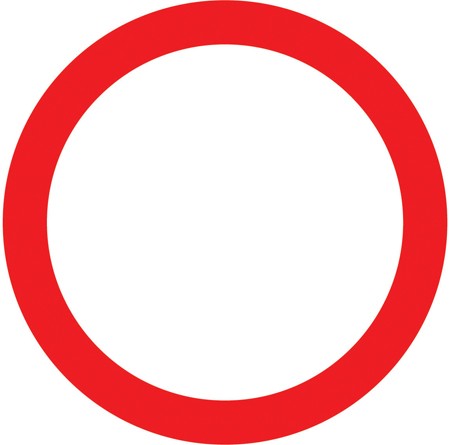 No vehicles signNo vehicles, except bicycles pushed by hand.
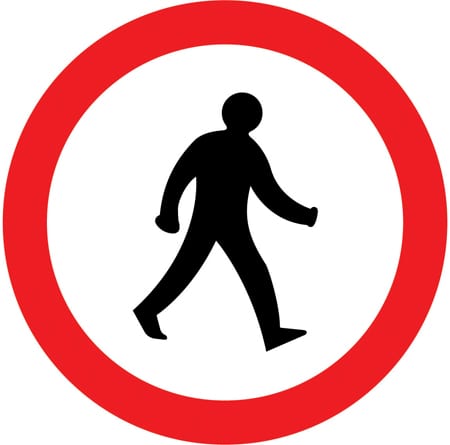 No pedestrians signPeople on foot must not go past here.
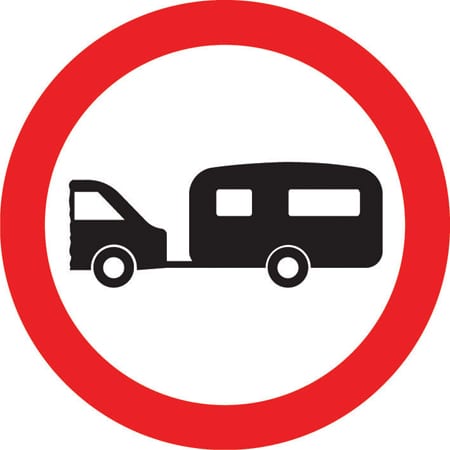 No towed caravans signVehicles towing caravans must not go in.
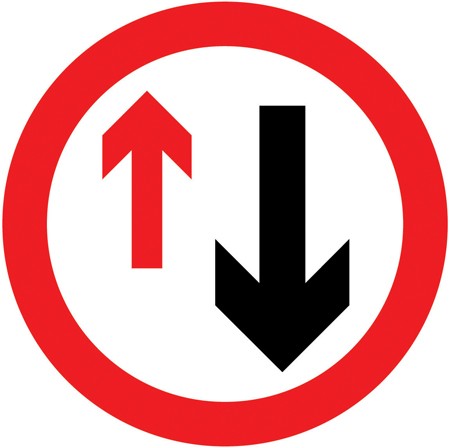 Give way to oncoming vehicles signOncoming traffic goes first through the narrow part.
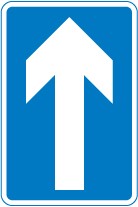 One-way traffic signAll traffic goes in the direction of the arrow.
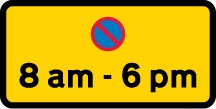 No waiting signNo waiting or parking at the times shown.
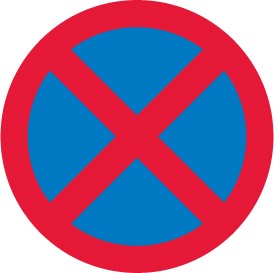 No stopping (clearway) signNo stopping at all, not even to drop off.
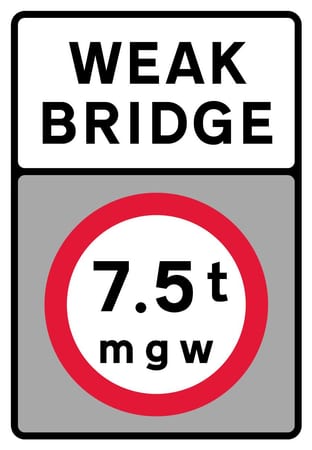 Weak bridge weight limit signNo vehicles over the weight shown on the bridge.
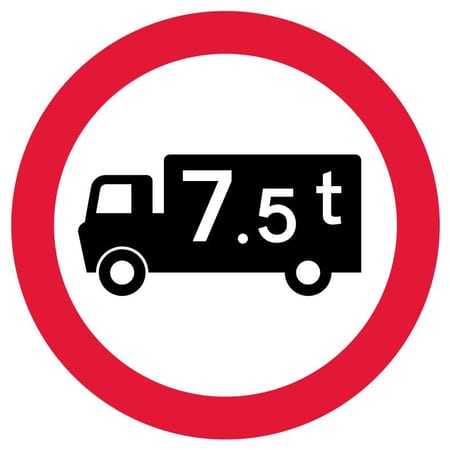 No goods vehicles over 7.5 tonnes signLorries over the weight shown must not go in.
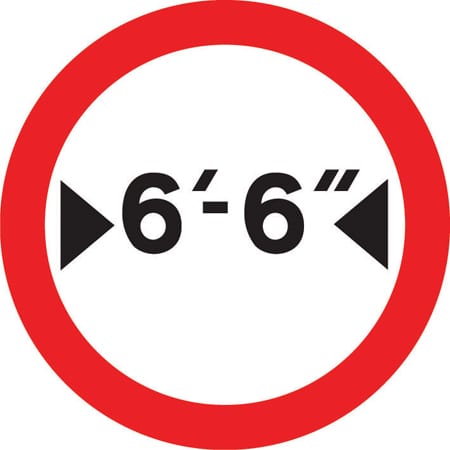 Width limit signNo vehicles wider than shown.
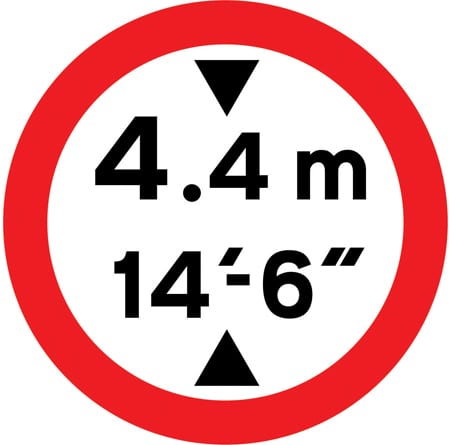 Height limit signNo vehicles taller than shown.
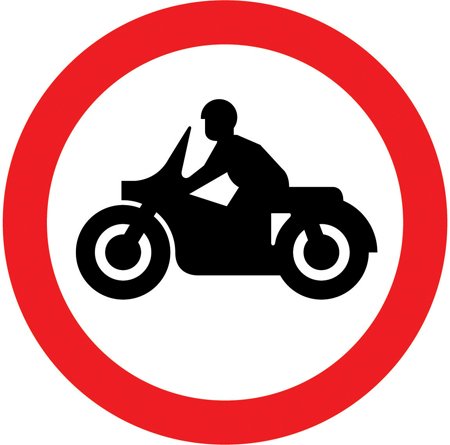 No solo motorcycles signMotorcycles without a sidecar must not go in.
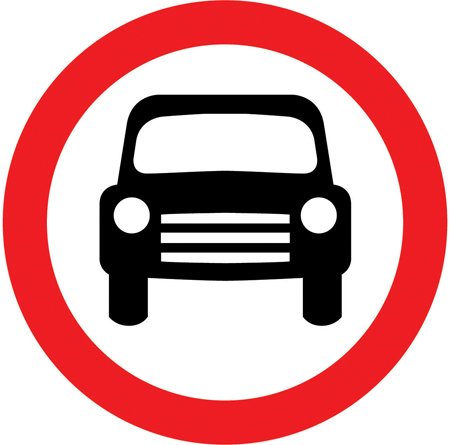 No motor vehicles except solo motorcycles signNo motor vehicles, but solo motorcycles may go in.
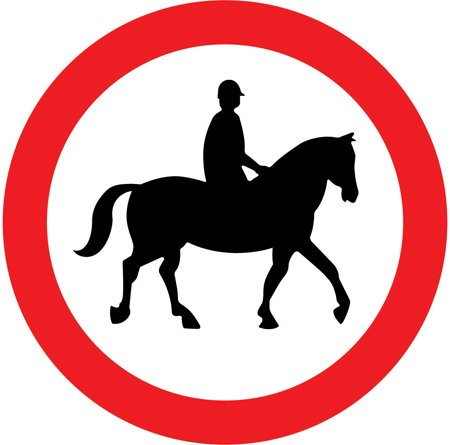 No ridden or accompanied horses signNo horses may be ridden or led past here.
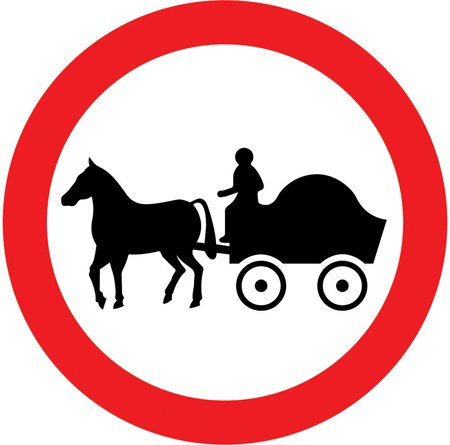 No horse-drawn vehicles signHorse-drawn vehicles must not go in.
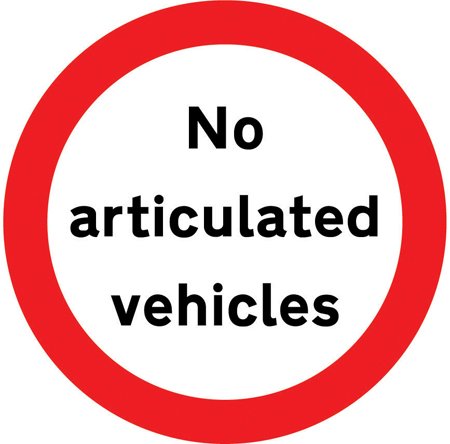 No articulated vehicles signArticulated lorries must not go in.
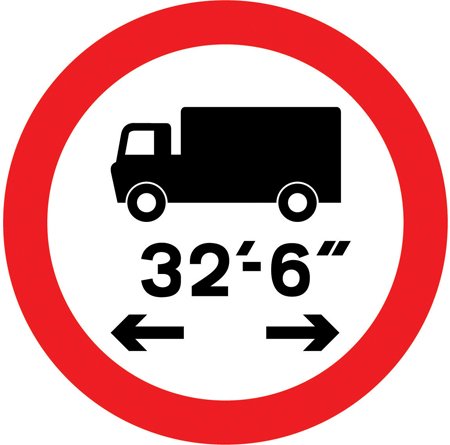 Length limit signNo vehicles longer than shown.
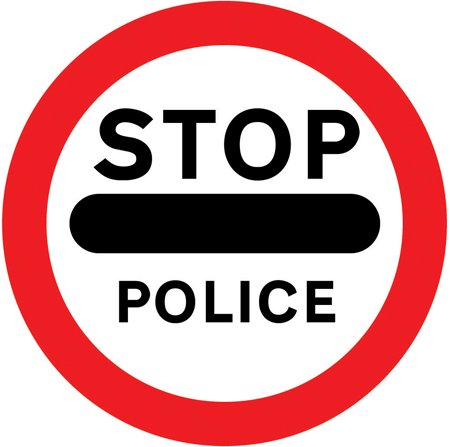 Stop police signStop when a police officer shows this sign.
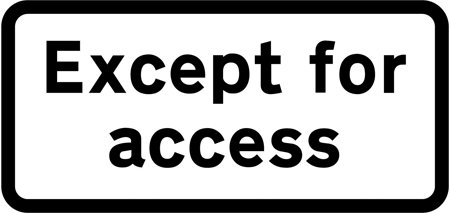 Except for access plateOnly vehicles that need access may go in.
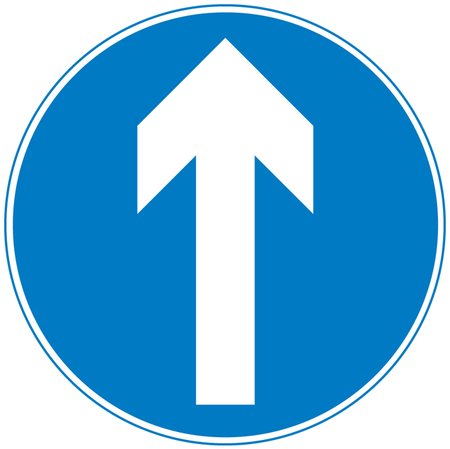 Ahead only signGo straight ahead only.
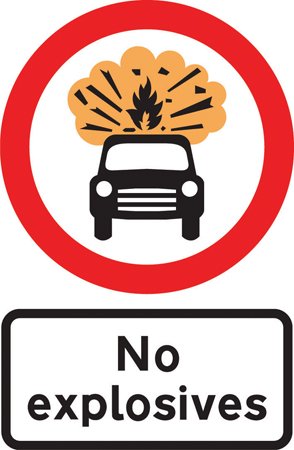 No vehicles carrying explosives signVehicles carrying explosives must not go in.
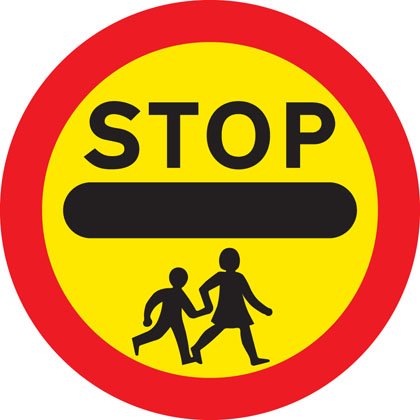 School crossing patrol signStop when the patrol holds this sign up.
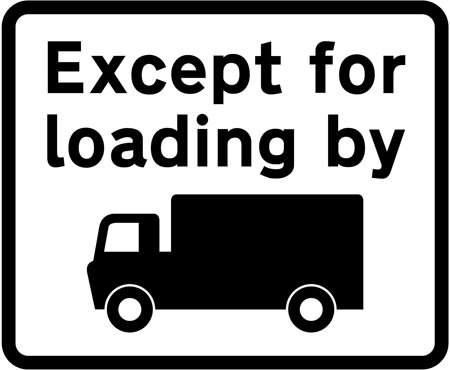 Except for loading plateGoods vehicles may enter to load or unload.
Speed limit signs
A number in a red ring is the maximum speed in mph. The white circle with a black stripe means the national speed limit applies. All speed limit signs
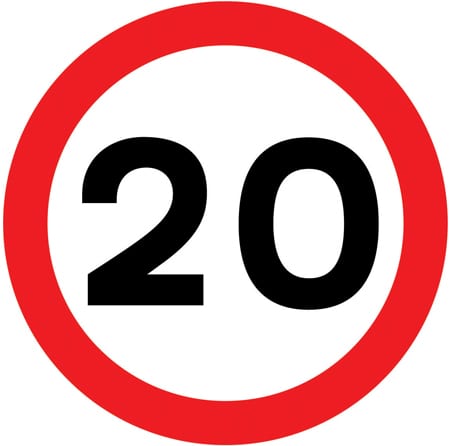 20 mph speed limit signMaximum speed 20 mph.
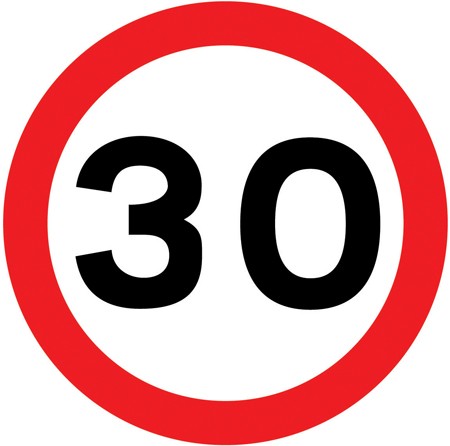 30 mph speed limit signMaximum speed 30 mph.
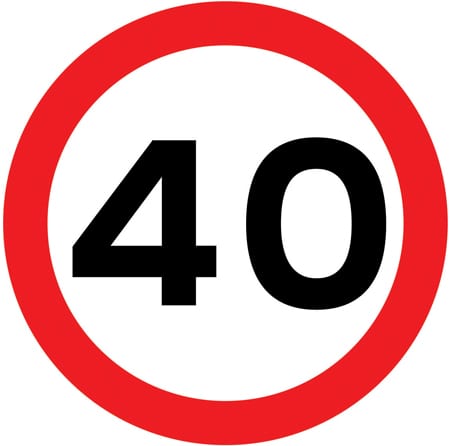 40 mph speed limit signMaximum speed 40 mph.
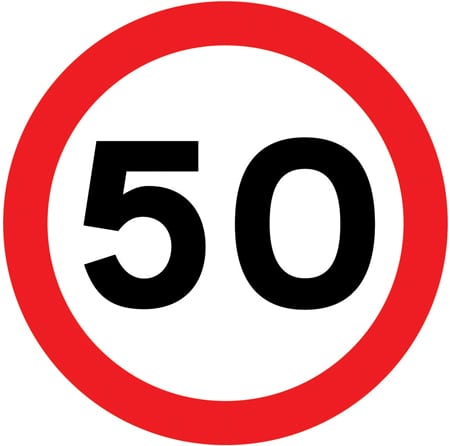 50 mph speed limit signMaximum speed 50 mph.
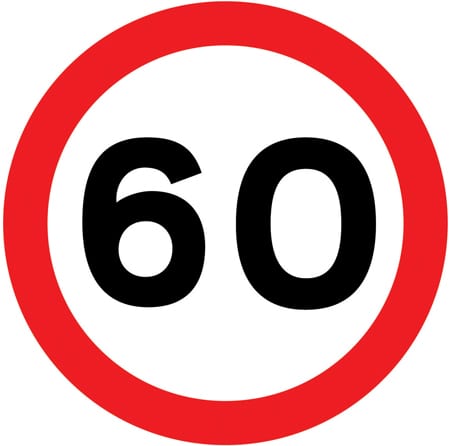 60 mph speed limit signMaximum speed 60 mph.
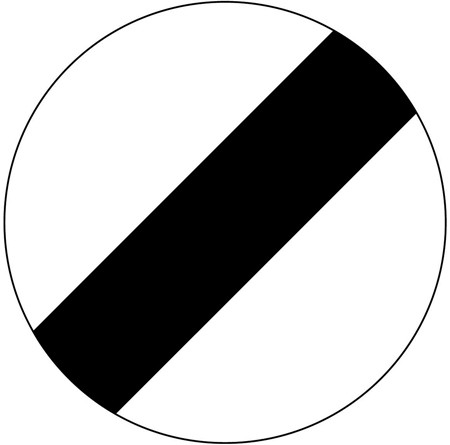 National speed limit signThe national limit for the road and vehicle applies.
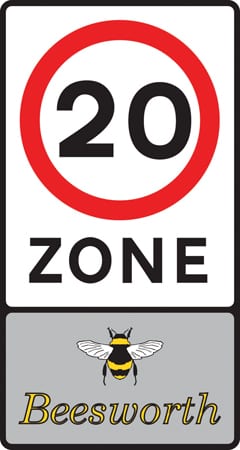 20 mph zone signA 20 mph limit with traffic calming ahead.
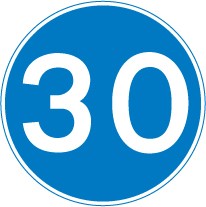 Minimum speed limit signGo at least this fast, if it is safe.
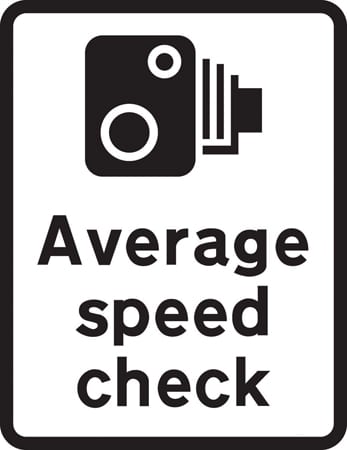 Average speed check signCameras measure your average speed here.
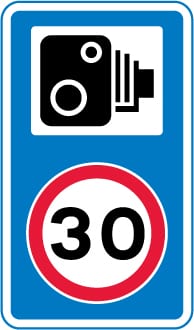 Speed camera signA speed camera is near, on a 30 mph road.
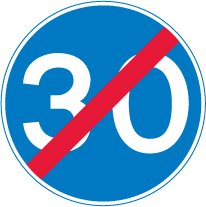 End of minimum speed limit signThe minimum speed no longer applies.
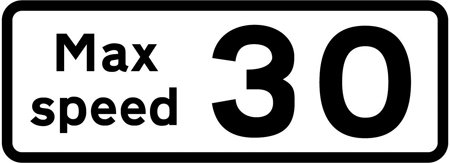 Maximum advised speed plateThe speed advised at a bend or hazard.
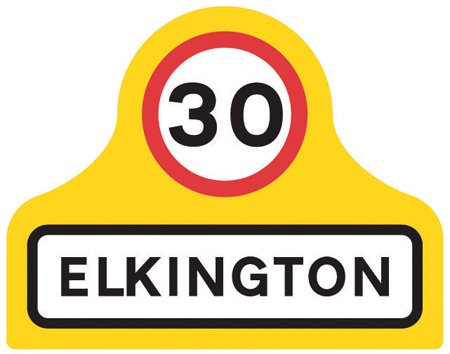 Village speed limit signA speed limit starts at the town or village boundary.
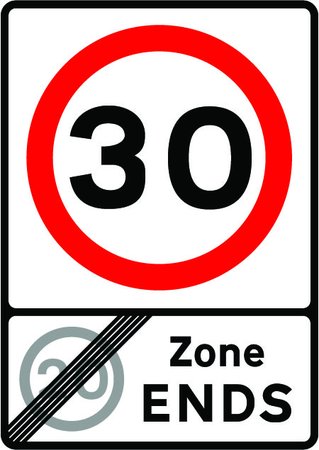 End of 20 mph zone signThe 20 mph zone ends and a 30 mph limit starts.
Warning signs
Signs that warn of a hazard ahead. Almost all are red-bordered triangles pointing up. All warning signs
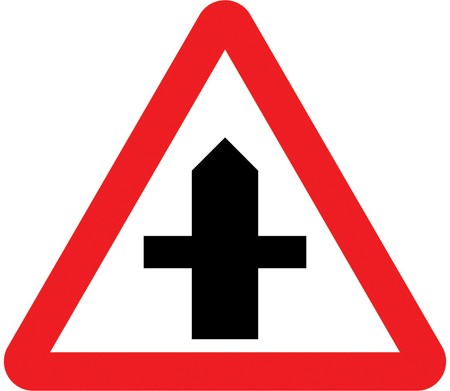 Crossroads signA crossroads is ahead.
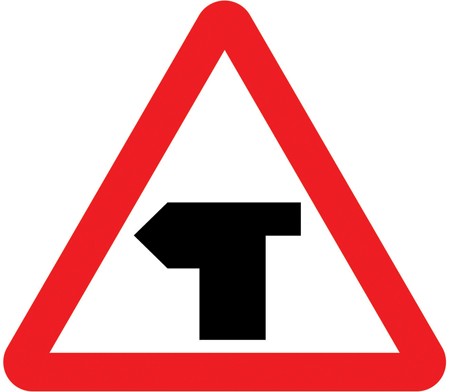 T-junction signYour road ends at a T-junction ahead.
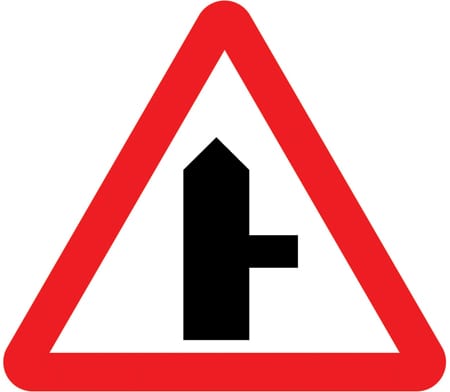 Side road signA side road joins from one side ahead.
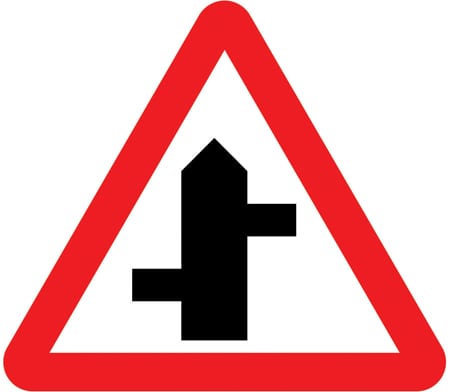 Staggered junction signSide roads join on both sides, not opposite each other.
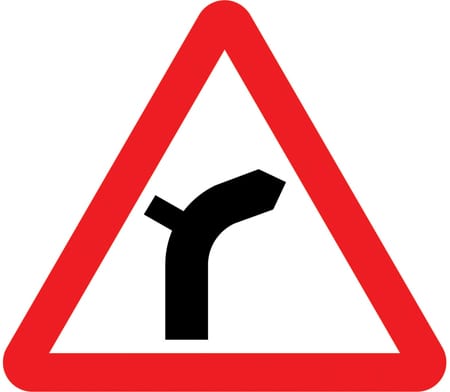 Junction on a bend signA side road joins on a bend ahead.
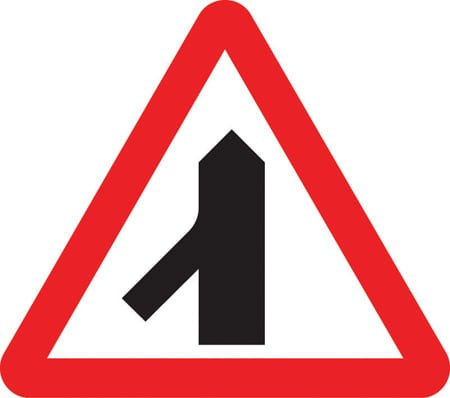 Merging traffic signTraffic joins from the left ahead.
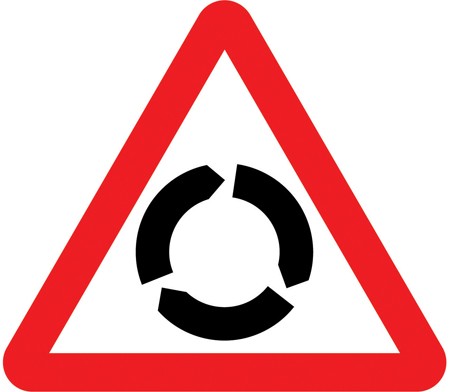 Roundabout ahead signA roundabout is ahead.
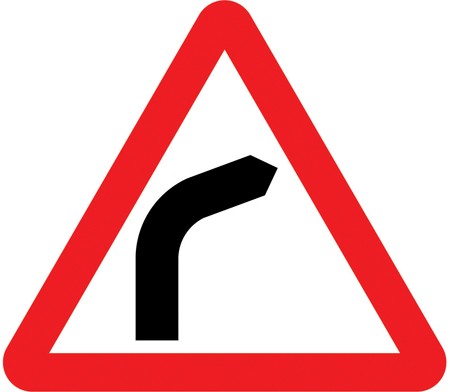 Bend ahead signThe road bends ahead, here to the right.
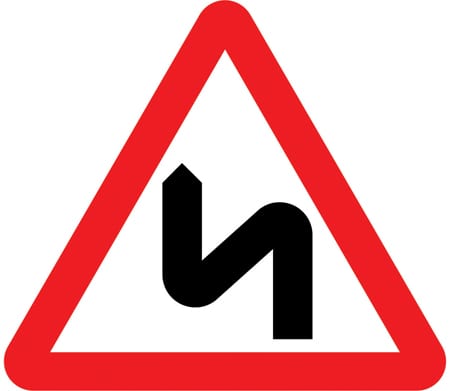 Double bend signTwo bends ahead, the first to the left.
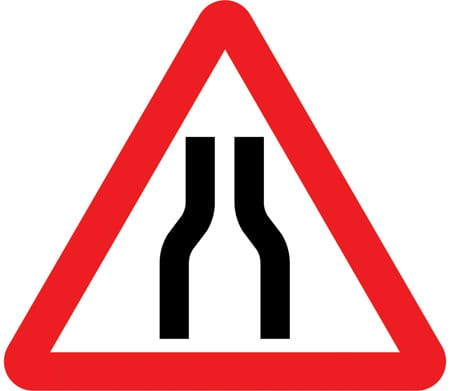 Road narrows signThe road gets narrower ahead.
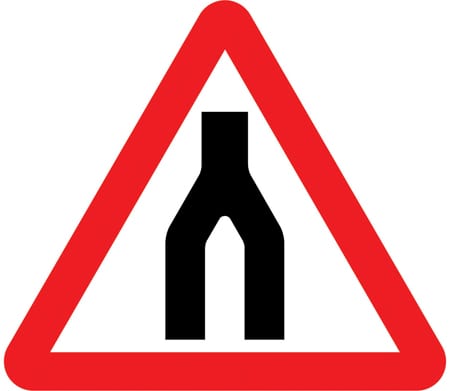 Dual carriageway ends signThe dual carriageway ends ahead.
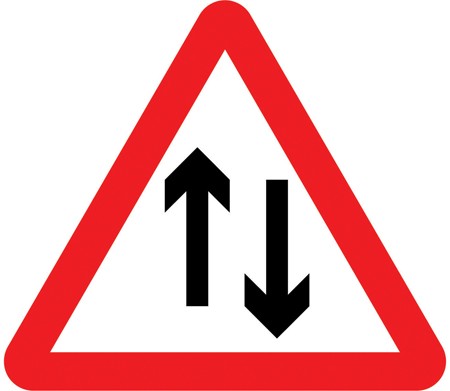 Two-way traffic signTraffic ahead goes in both directions.
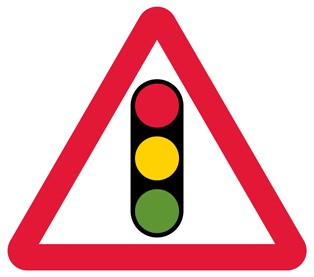 Traffic signals ahead signTraffic lights are ahead.
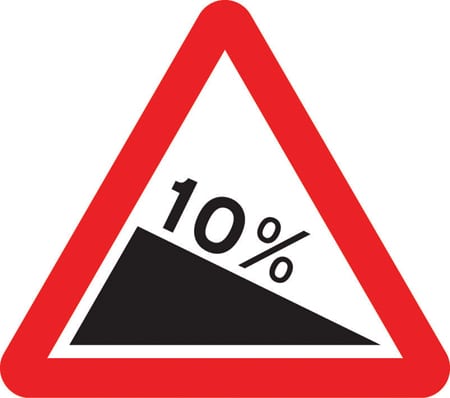 Steep hill downwards signA steep hill down ahead.
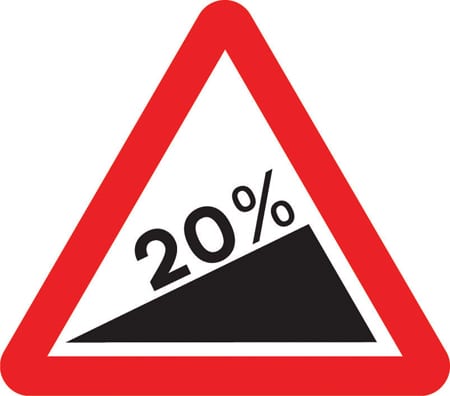 Steep hill upwards signA steep hill up ahead.
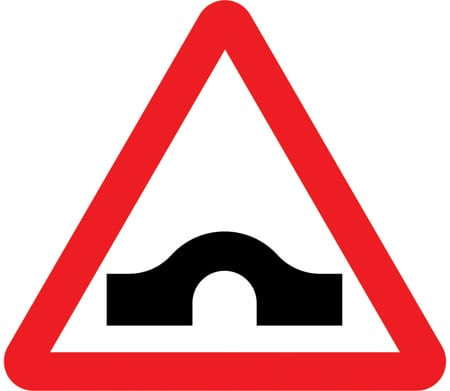 Hump bridge signA humped bridge ahead.
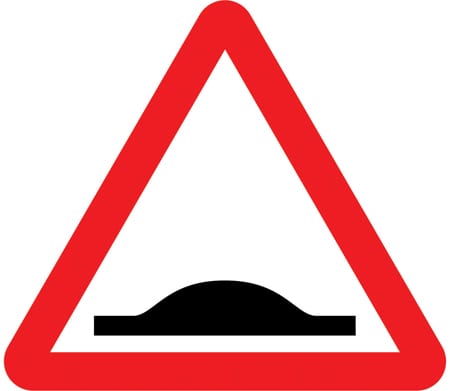 Road humps signRoad humps ahead.
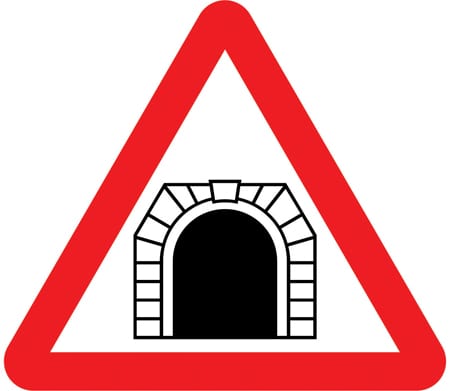 Tunnel signA tunnel ahead.
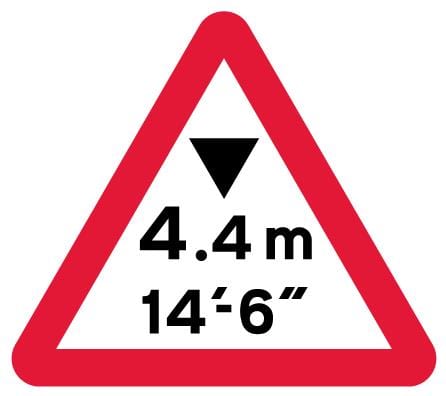 Maximum headroom signLow bridge ahead: the height shown is the clearance.
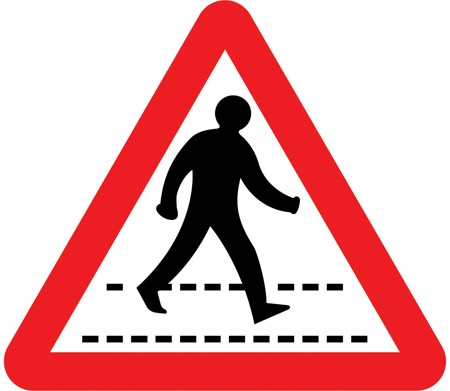 Pedestrian crossing signA zebra or parallel crossing is ahead.
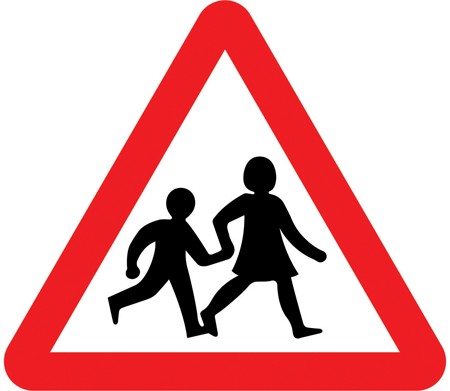 Children going to or from school signWatch for children near a school.
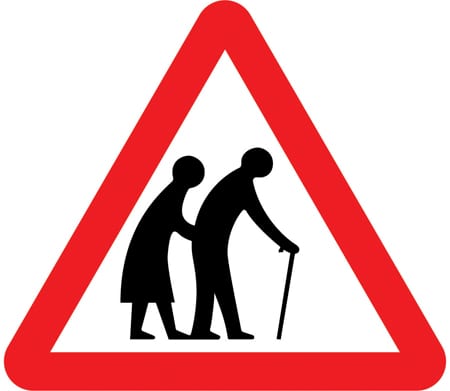 Frail pedestrians signOlder or disabled people may cross ahead.
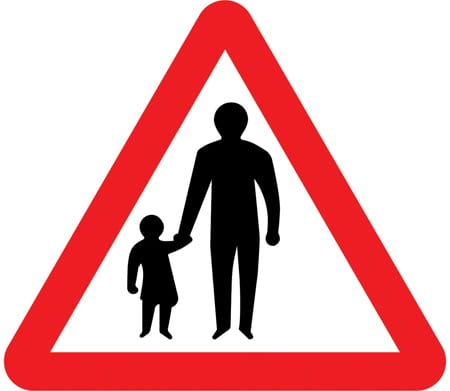 Pedestrians in road signPeople may be walking in the road ahead.
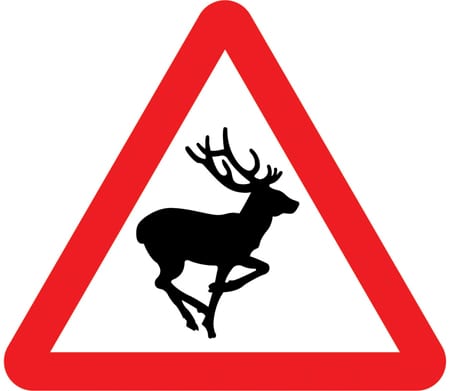 Wild animals signWild animals, such as deer, may be on the road.
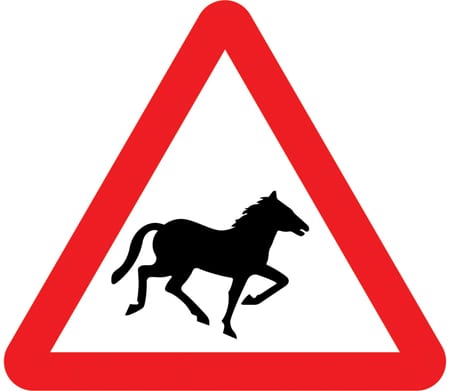 Wild horses or ponies signWild horses or ponies may be on the road.
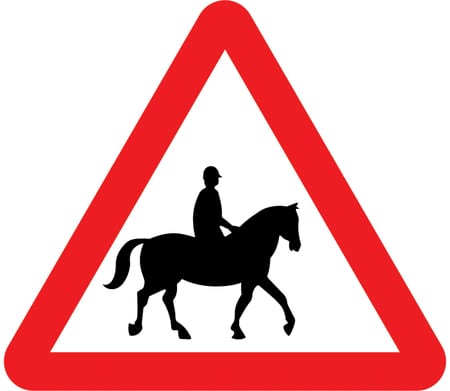 Accompanied horses signHorse riders may be on or crossing the road.
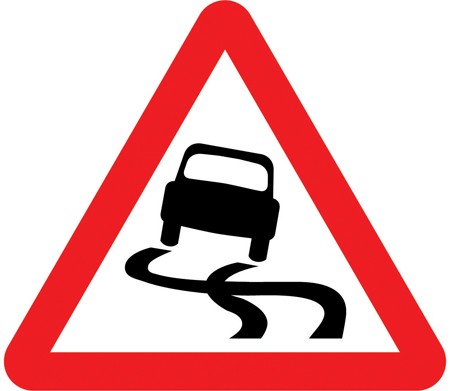 Slippery road signThe road surface ahead may be slippery.
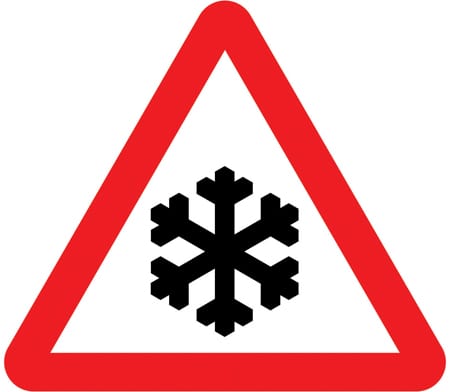 Risk of ice signIce may be on the road ahead.
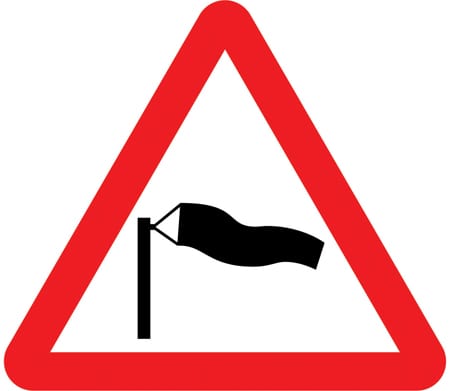 Side winds signStrong side winds likely ahead.
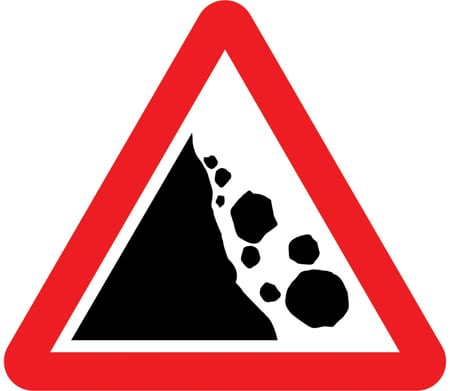 Falling rocks signRocks may fall or have fallen ahead.
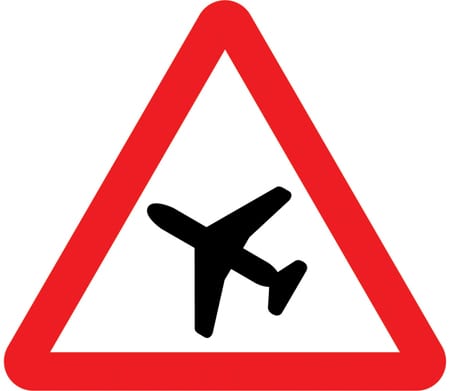 Low-flying aircraft signLow-flying aircraft or sudden noise ahead.
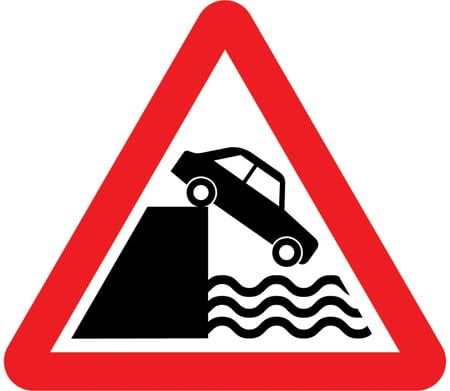 Quayside or river bank signThe road leads to a quayside or river bank ahead.
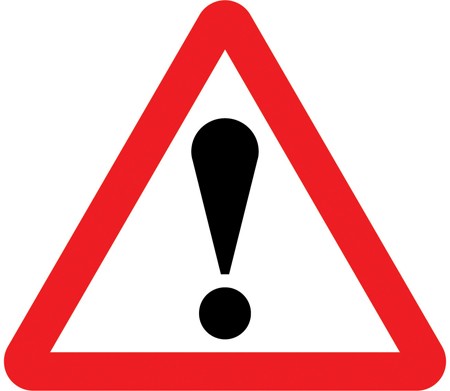 Other danger signA hazard ahead; the plate says what it is.
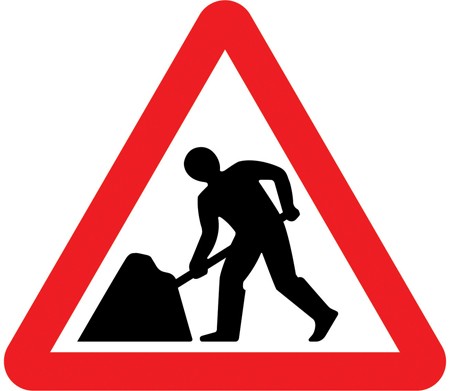 Road works signRoad works ahead.
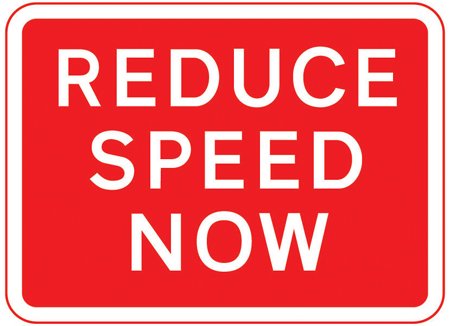 Reduce speed now signSlow down now for the hazard ahead.
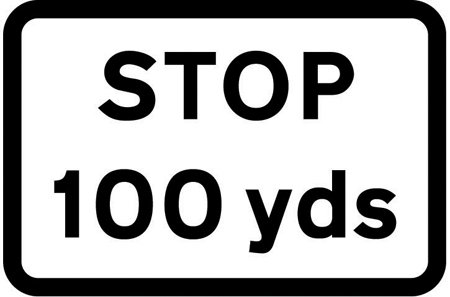 Distance to STOP line signA STOP sign and line are this far ahead.
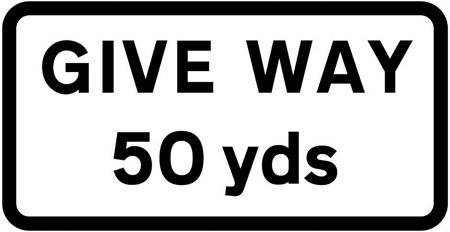 Distance to GIVE WAY line signA give way line is this far ahead.
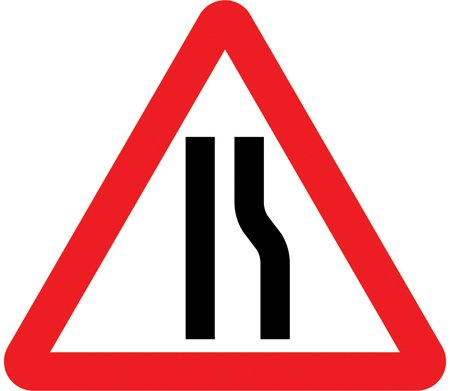 Road narrows on one side signThe road gets narrower on one side ahead.
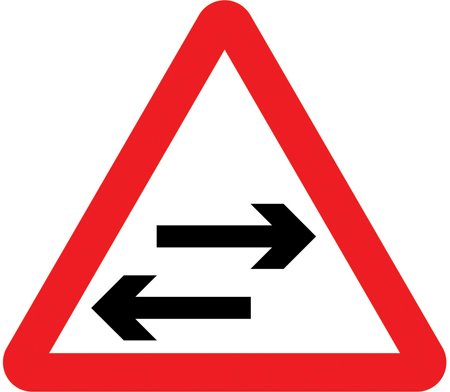 Two-way traffic crossing ahead signA two-way road crosses the one-way road ahead.
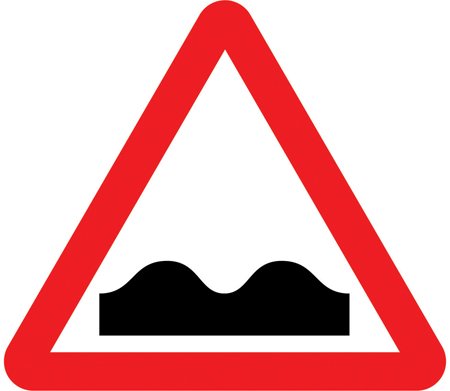 Uneven road signThe road surface ahead is uneven.
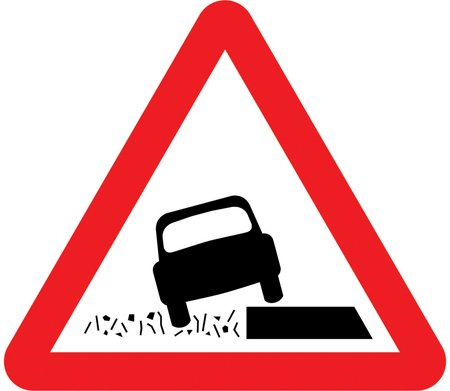 Soft verges signThe verges beside the road are soft.
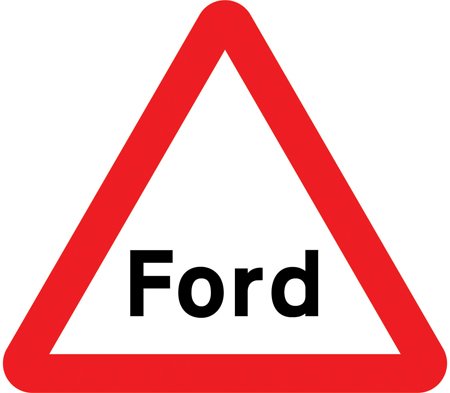 Ford signThe road goes through water ahead.
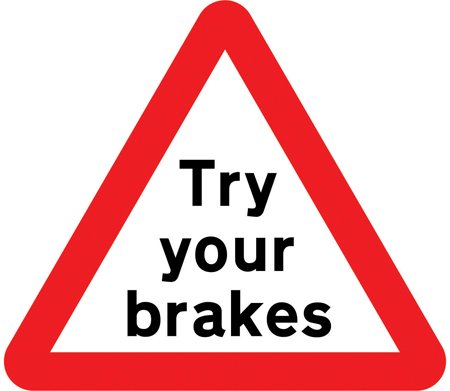 Try your brakes signTest your brakes before going on.
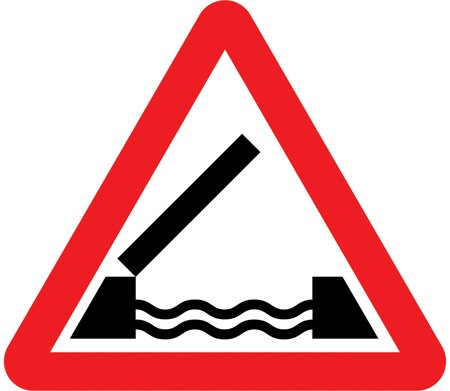 Opening or swing bridge signA bridge ahead may open for boats.
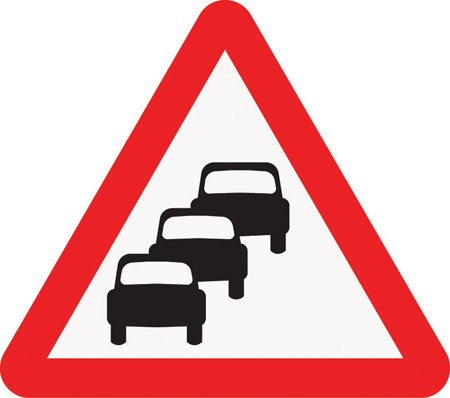 Traffic queues likely ahead signTraffic may be queuing ahead.
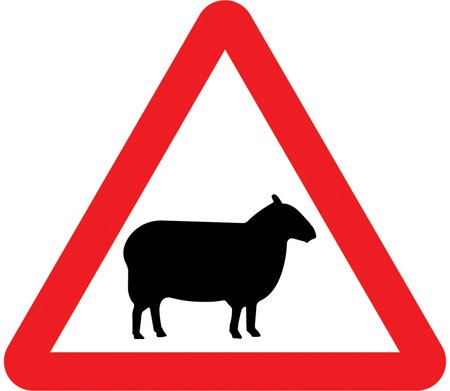 Sheep signSheep may be in the road ahead.
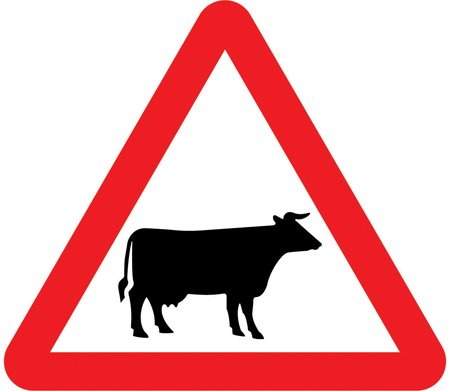 Cattle signCattle may be in the road ahead.
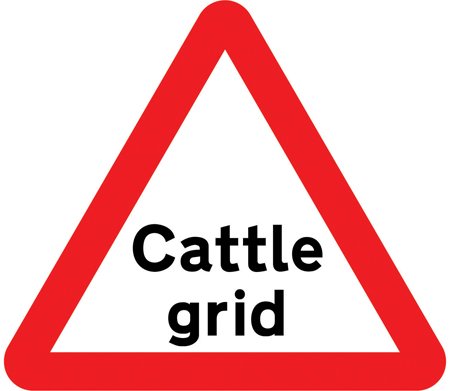 Cattle grid signA cattle grid crosses the road ahead.
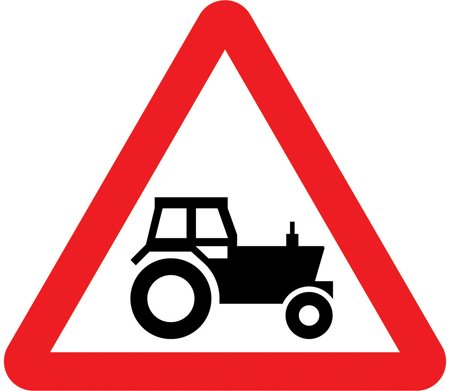 Agricultural vehicles signTractors and farm vehicles may be in the road.
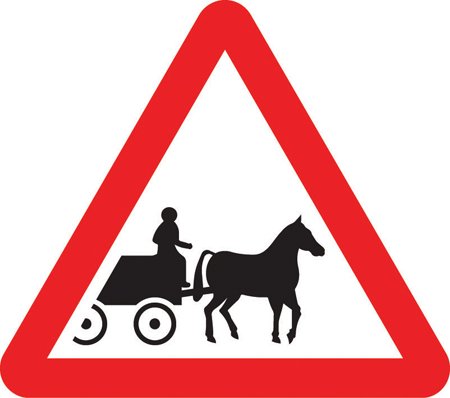 Horse-drawn vehicles signHorse-drawn vehicles may be in the road.
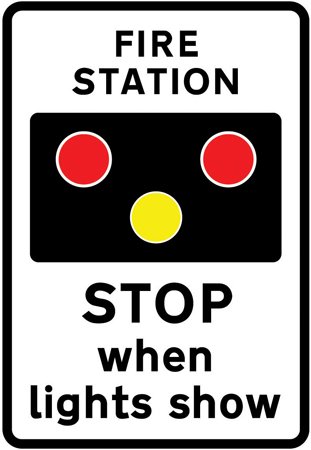 Fire station signals signStop when the lights show for fire engines.
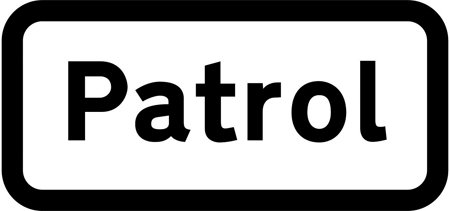 School crossing patrol ahead plateA school crossing patrol may be ahead.
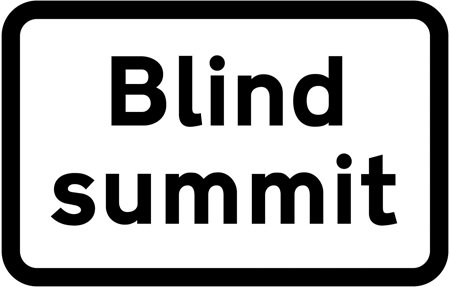 Blind summit plateA blind summit is ahead.
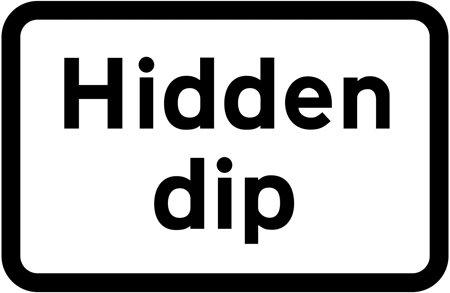 Hidden dip plateA hidden dip is ahead.
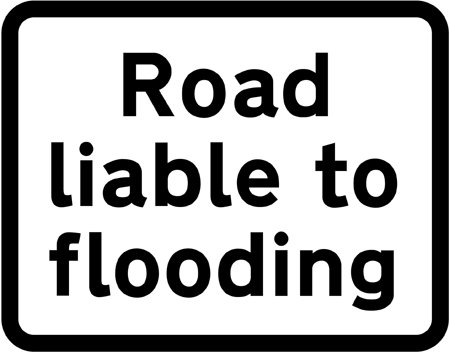 Road liable to flooding plateThe road ahead may flood.
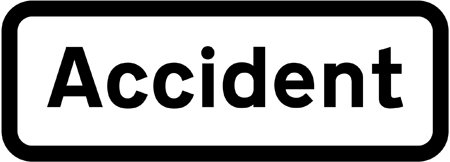 Accident plateThere is an accident ahead.
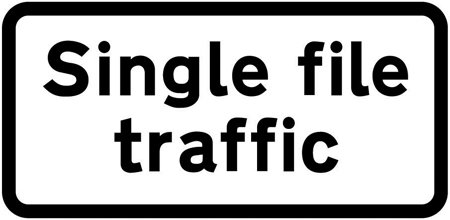 Single file traffic plateTraffic goes in single file in each direction ahead.
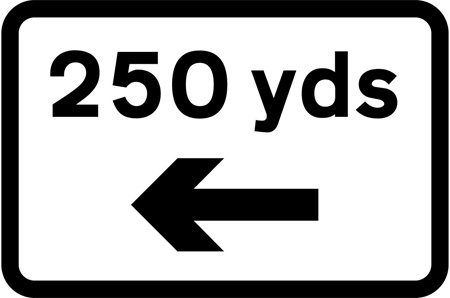 Distance to hazard plateShows the distance and direction to a hazard.
Level crossing signs
Signs and signals at railway and tramway crossings. When the red lights flash, you must stop. All level crossing signs
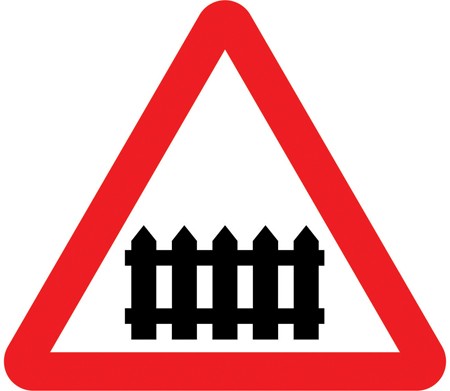 Level crossing with barrier signA railway crossing with gates or barriers is ahead.
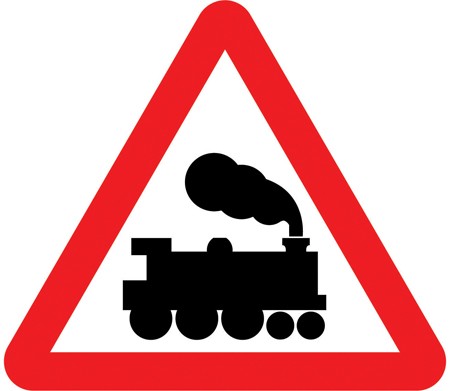 Level crossing without barrier signA railway crossing with no gates or barriers is ahead.
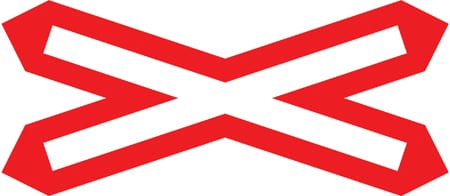 St Andrew’s cross signA level crossing with no gates or barriers.
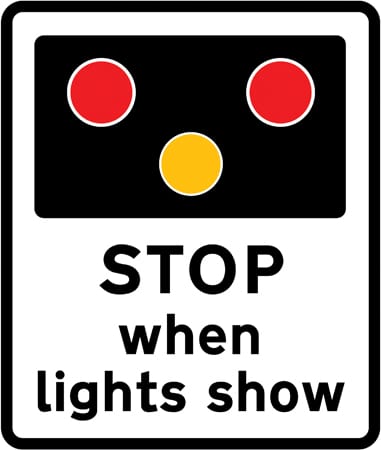 Stop when lights show signLight signals ahead at a level crossing.
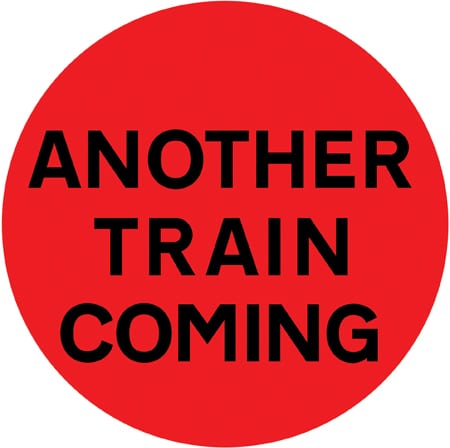 Another train coming signWait: a second train is on its way.
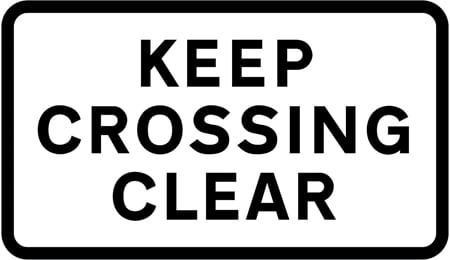 Keep crossing clear signDo not stop on the level crossing.
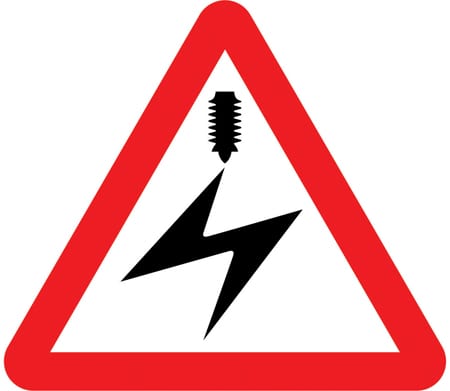 Overhead electric cable signOverhead electric cables ahead.
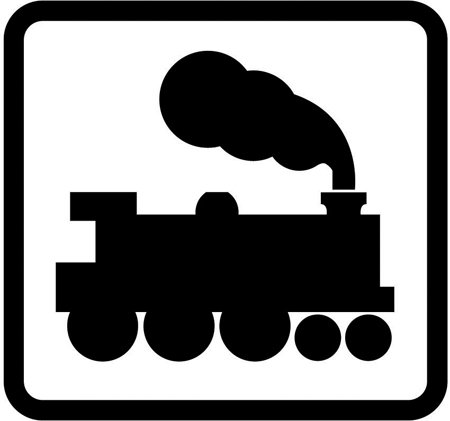 Open level crossing signA crossing with no gates or lights: give way to trains.
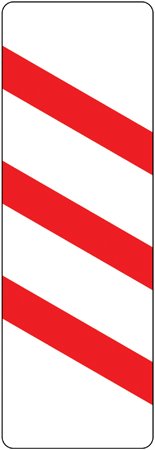 Level crossing countdown markersMarkers counting down to a level crossing.
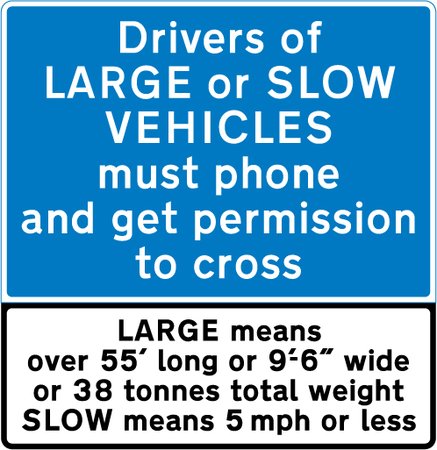 Phone before crossing signLarge or slow vehicles must phone before crossing.
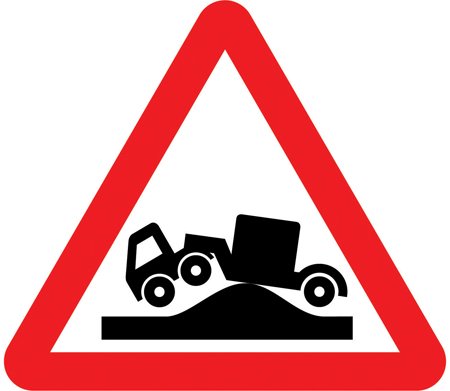 Risk of grounding signLong, low vehicles may get stuck on the crossing.
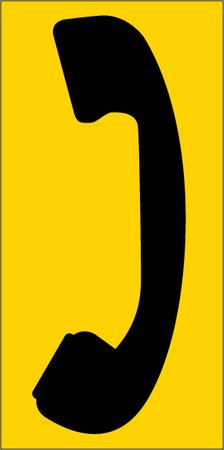 Level crossing phone signA railway phone is here at the crossing.
Bus, cycle and tram signs
Lanes and routes for buses, cycles and trams, and when they operate. All bus, cycle and tram signs
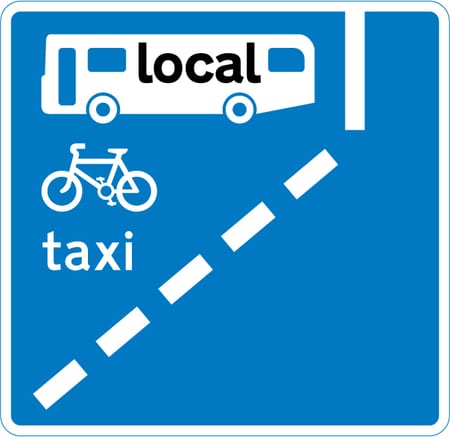 Bus lane signA lane for buses, and any vehicles shown.
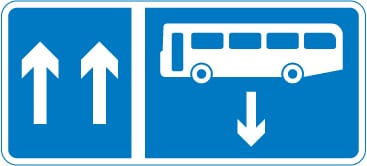 Contraflow bus lane signBuses come towards you in their own lane.
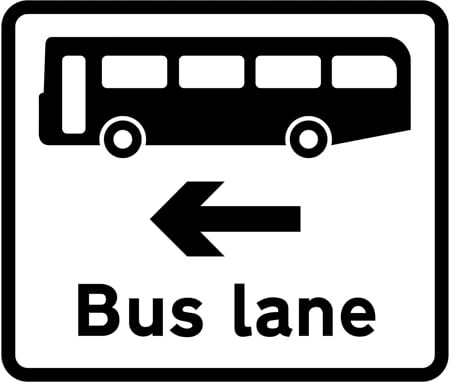 Bus lane on road at junction ahead signThe road you turn into has a bus lane.
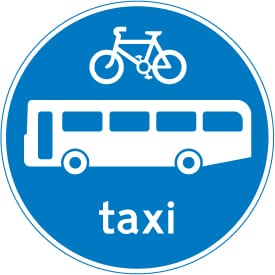 Buses, cycles and taxis only signOnly buses, cycles and taxis may use this road.
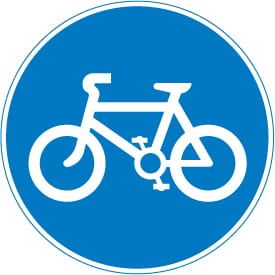 Route for cycles only signA route only for pedal cycles.
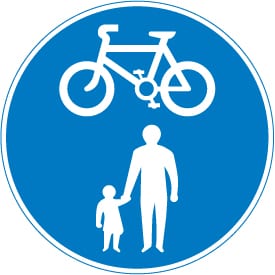 Shared route for cycles and pedestrians signCyclists and pedestrians share one path.
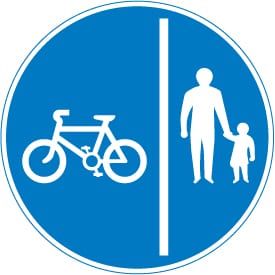 Separated cycle and pedestrian route signCyclists on one side, pedestrians on the other.
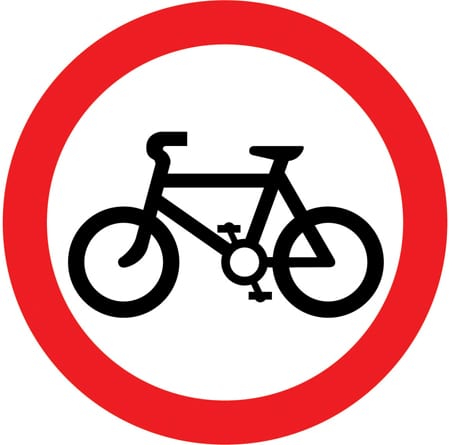 No cycling signRiding a bicycle is not allowed.
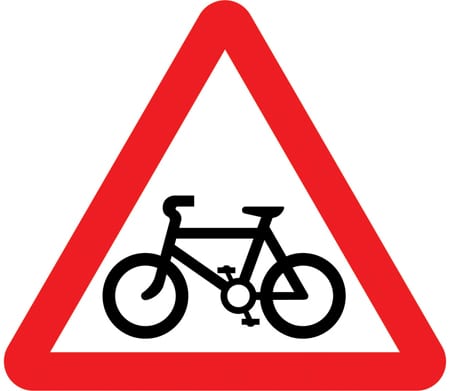 Cycle route ahead signA cycle route crosses or joins the road ahead.
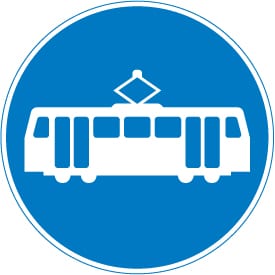 Trams only signA route only for trams.
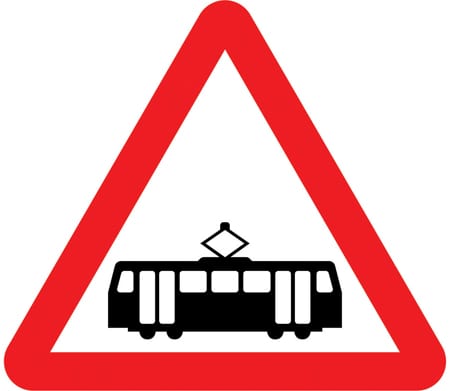 Trams crossing ahead signTrams cross the road ahead.
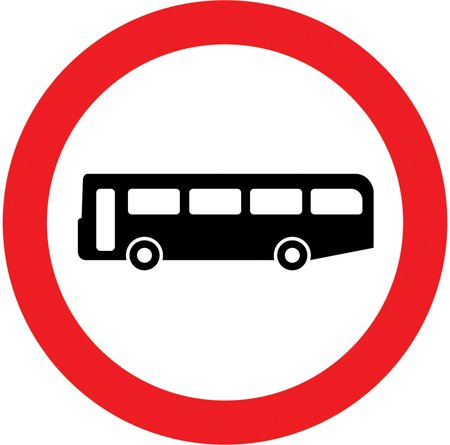 No buses signBuses must not go in.
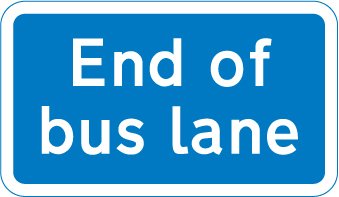 End of bus lane signThe bus lane ends here.
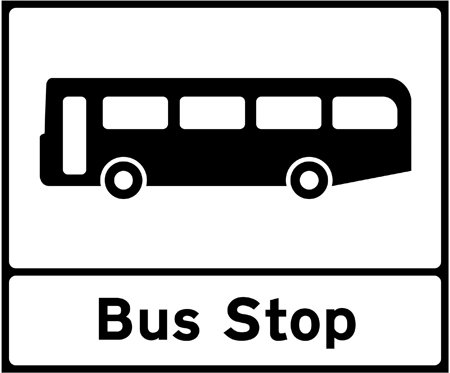 Bus stop signA bus stop: do not stop or park here.
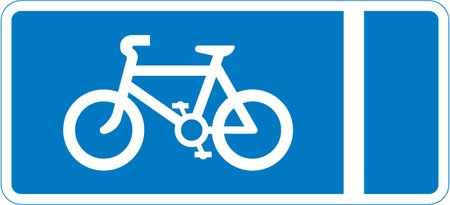 With-flow cycle lane signA cycle lane in the same direction as you.
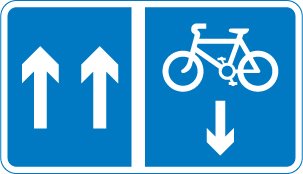 Contraflow cycle lane signCyclists come the other way in their own lane.
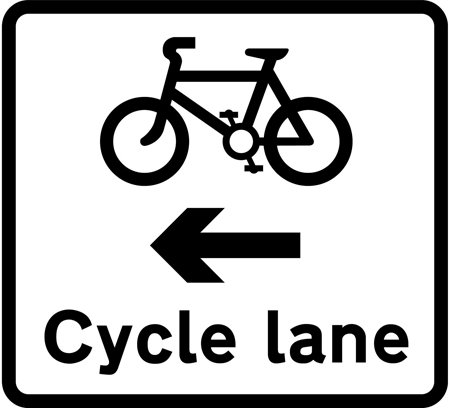 Cycle lane at junction ahead signThe road ahead has a cycle lane.
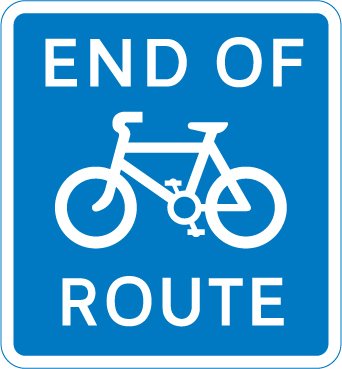 End of cycle route signThe cycle lane, track or route ends.
 Cyclists dismount signCyclists should get off and walk.
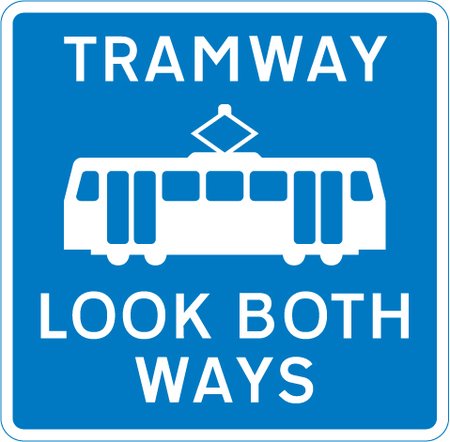 Tramway look both ways signPedestrians: trams may come from either direction.
Information signs
Rectangular signs that give information, from motorway markers to parking signs. All information signs
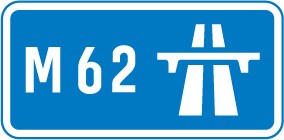 Start of motorway signMotorway rules apply from here.
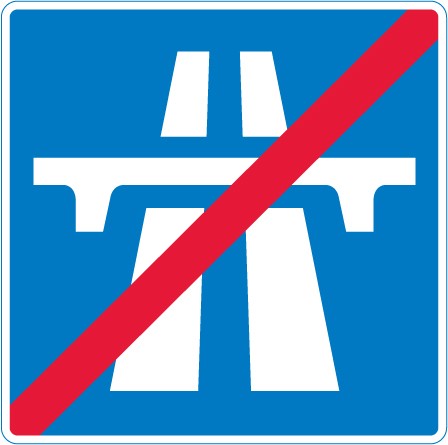 End of motorway signMotorway rules end here.
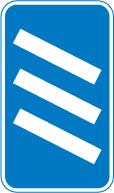 Countdown markersBars that count down to a motorway exit.
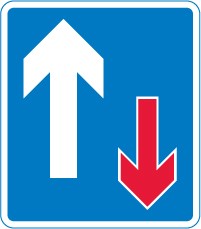 Priority over oncoming vehicles signYou go first through the narrow part, with care.
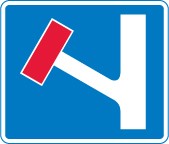 No through road signA dead end for vehicles.
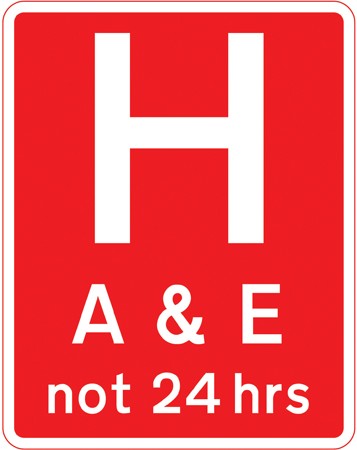 Hospital signRed for A and E, blue for no A and E.
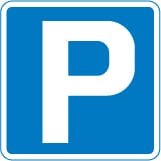 Parking signA parking place.
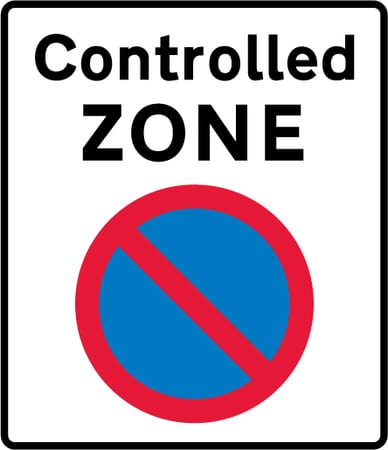 Controlled parking zone signWaiting limits apply in the whole zone.
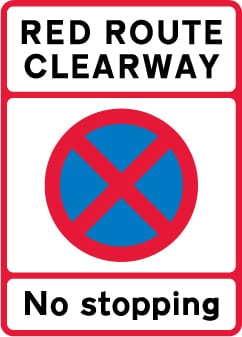 Red route clearway signNo stopping at all on a red route.
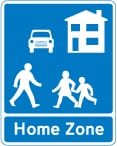 Home Zone signA street shared by people and traffic.
 Passing place signPull in here to let others pass.
 Single track road signA narrow road with passing places ahead.
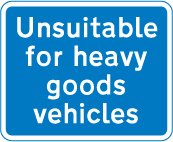 Unsuitable for heavy goods vehicles signThe road is not suitable for lorries.
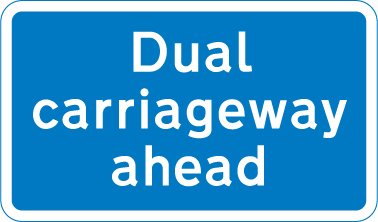 Dual carriageway ahead signA dual carriageway starts ahead.
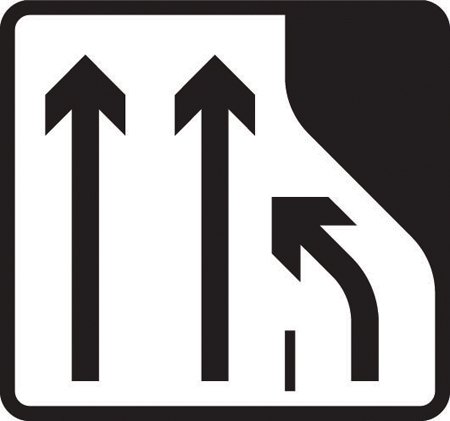 Lane ends ahead signOne lane ends ahead; the lanes reduce.
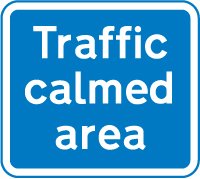 Traffic calmed area signAn area with humps or narrowings to slow you.
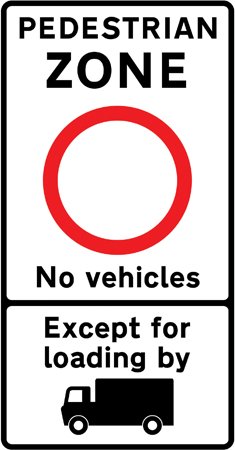 Pedestrian zone signNo vehicles in the zone, except those shown.
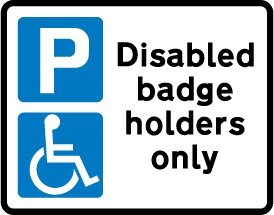 Disabled badge holders only signParking only for disabled badge holders.
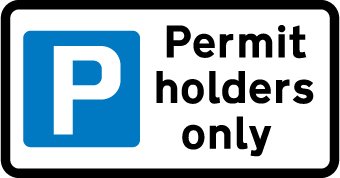 Permit holders only signParking only for permit holders.
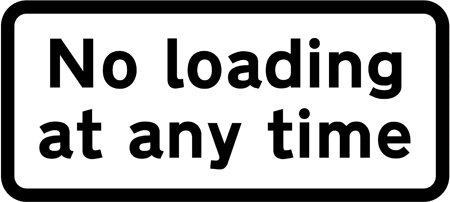 No loading at any time signNo loading or unloading at any time.
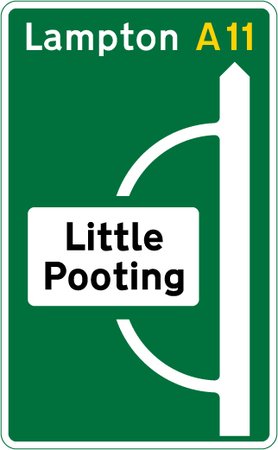 Primary route direction signGreen signs show primary routes.
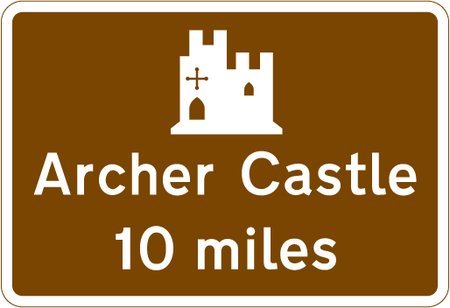 Brown tourist signBrown signs show the way to tourist attractions.
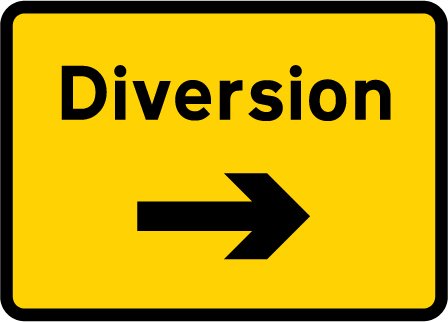 Diversion signA temporary diversion route starts here.
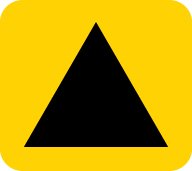 Emergency diversion route symbolThe symbol marks an emergency diversion route.
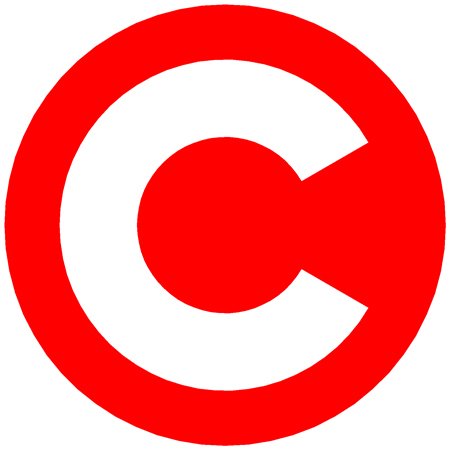 Congestion charge zone signA road charging zone applies here.
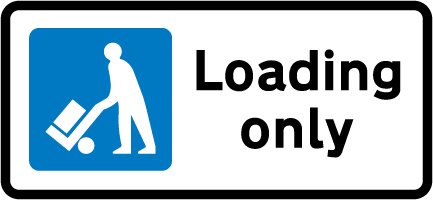 Loading bay signThis bay is for loading and unloading only.
Motorway signs and signals
Blue motorway signs, the signals above the lanes and lane control signals. A red X means the lane below is closed. All motorway signs and signals
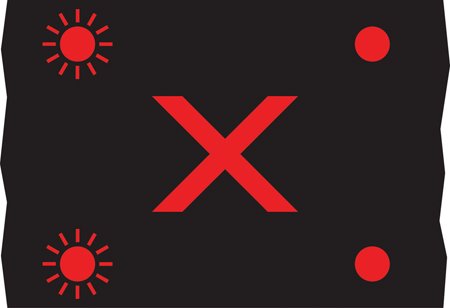 Red X signalLane closed: do not drive in it.
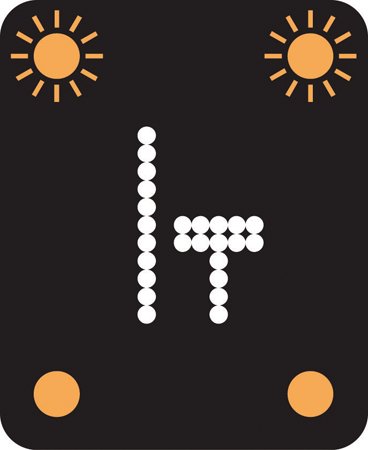 Lane closed ahead signalA lane is closed ahead: move over in time.
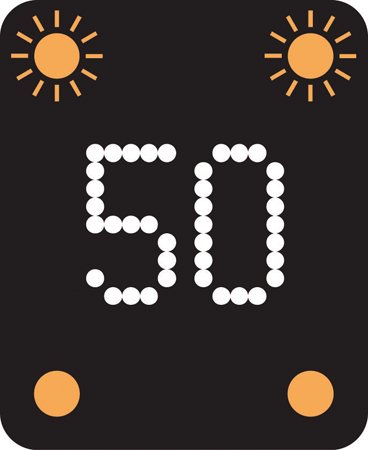 Temporary maximum speed advised signalAn advised speed for the conditions, not a limit.
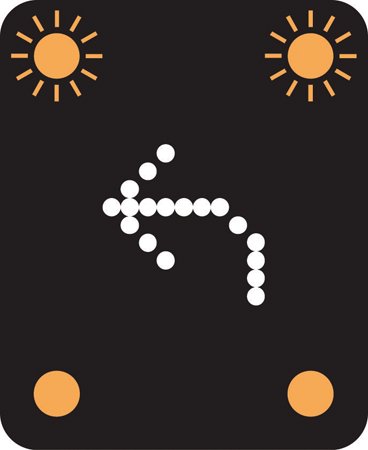 Leave motorway at next exit signalLeave the motorway at the next exit.
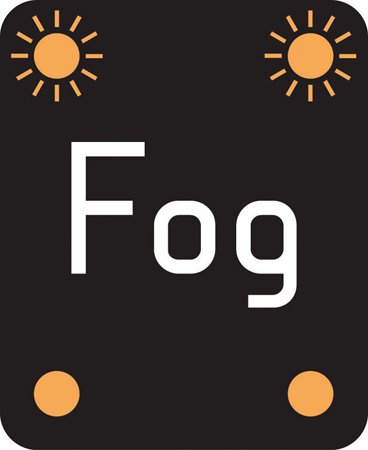 Fog warning signalRisk of fog ahead.
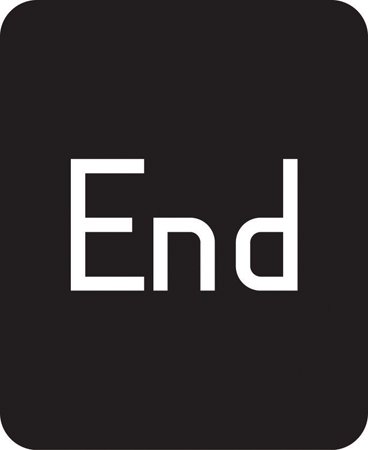 End of temporary restrictions signalThe temporary restrictions end here.
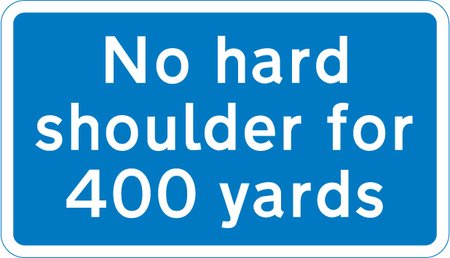 No hard shoulder signThere is no hard shoulder for the distance shown.
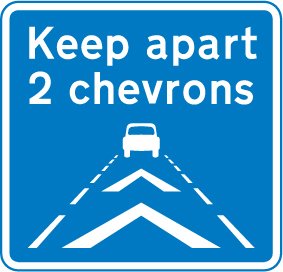 Keep apart 2 chevrons signKeep at least two chevrons from the vehicle in front.
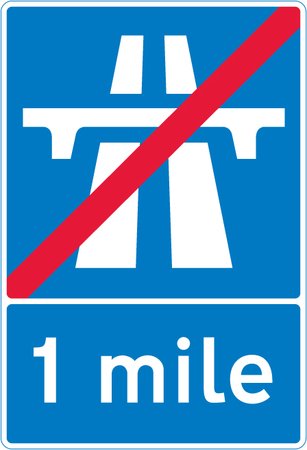 End of motorway in 1 mile signThe motorway ends in 1 mile.
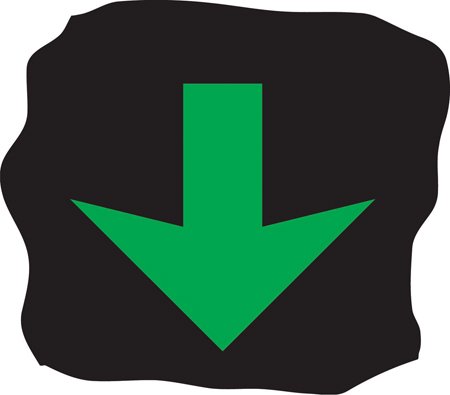 Green arrow lane control signalThis lane is open to you.
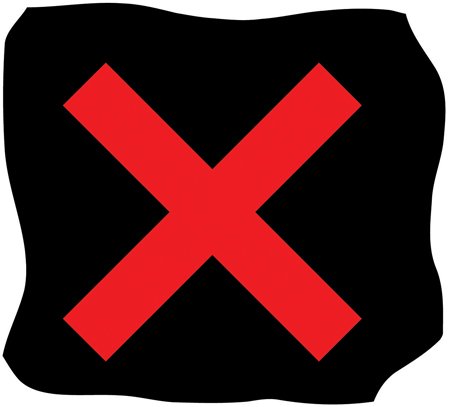 Red cross lane control signalThis lane is closed to you.
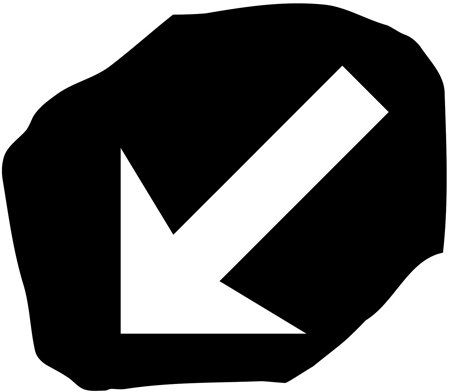 White arrow lane control signalThe lane closes ahead: move to the next lane.
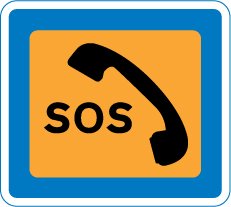 Emergency telephone signAn emergency telephone is ahead.
Road works signs
Temporary signs at road works, many of them red with white words. Obey every sign there, including temporary speed limits. All road works signs
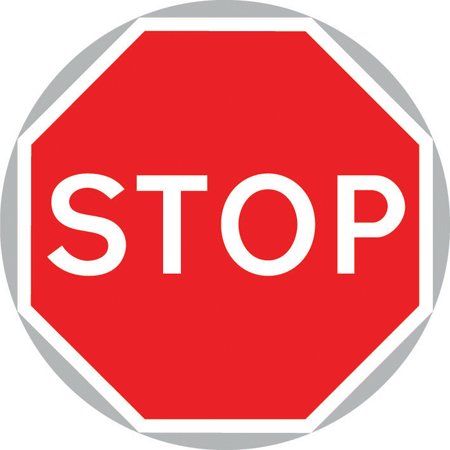 STOP/GO board at road worksStop when the board shows STOP.
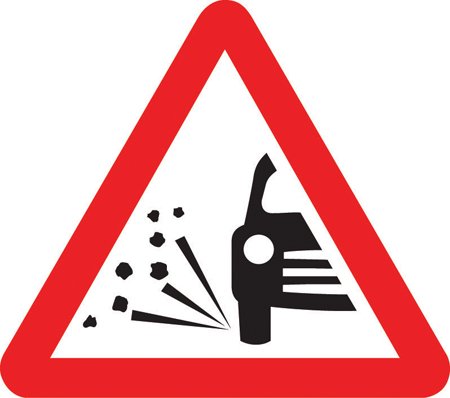 Loose chippings signLoose stones on the road ahead.
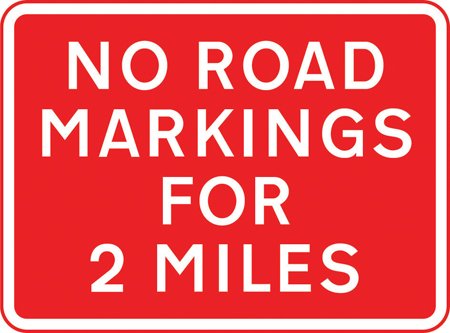 No road markings signThere are no road markings for the distance shown.
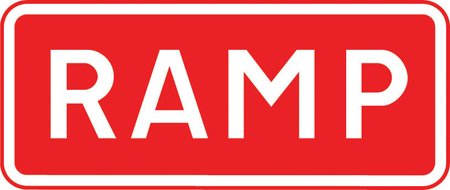 Ramp signA sudden change in the road level ahead.
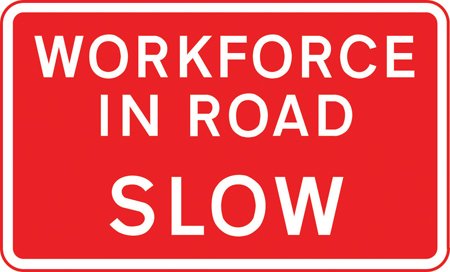 Workforce in road signWorkers in the road ahead: slow down.
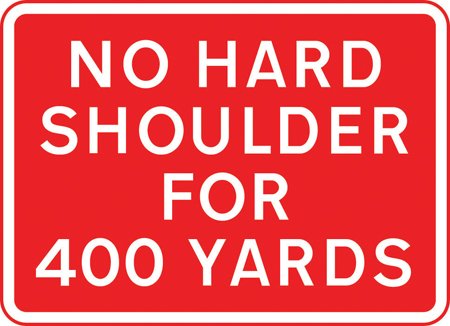 Hard shoulder closed signThe hard shoulder is closed for the distance shown.
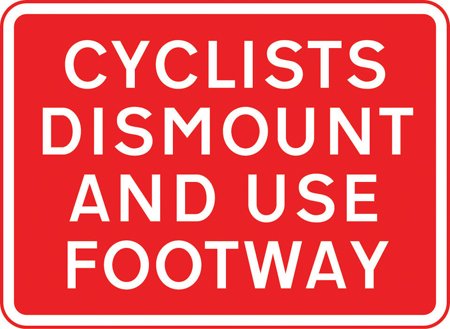 Cyclists dismount and use footway signCyclists: get off and use the footway.
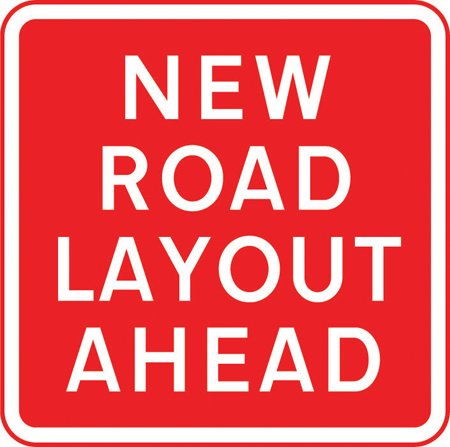 New road layout ahead signThe road layout ahead has changed.
Traffic lights and signals
Traffic lights, filter arrows, temporary lights at road works and the signals at pedestrian and toucan crossings. Amber means stop, unless you are so close that stopping might cause a crash. All traffic lights and signals
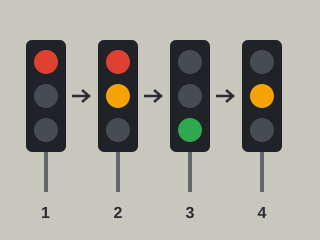 Traffic lightsRed, red and amber, green, amber: what each means.
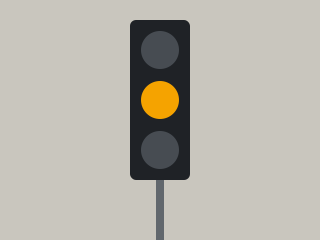 Amber traffic lightAmber means stop unless you cannot stop safely.
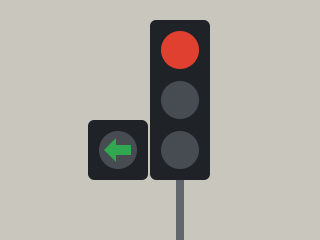 Green filter arrowGo only in the arrow’s direction, if clear.
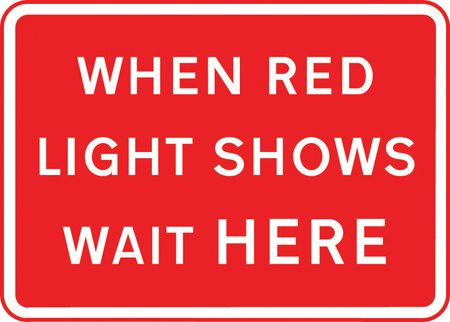 When red light shows wait here signAt temporary lights, stop here on red.
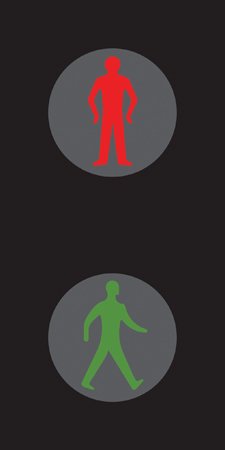 Pedestrian crossing lightsRed means wait; steady green means cross with care.
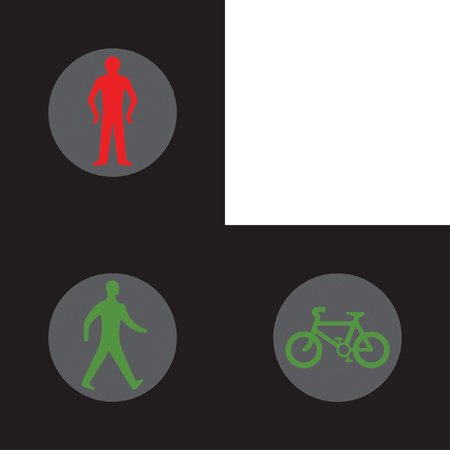 Toucan crossing lightsThese signals guide people walking and cycling.
Road markings
Lines and patterns painted on the road. They can give orders, warn you or guide you, just like signs. All road markings
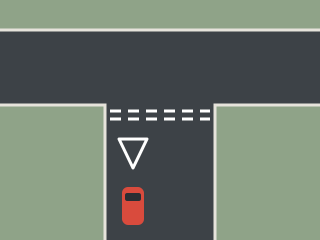 Give way linesDouble broken white lines across a junction.
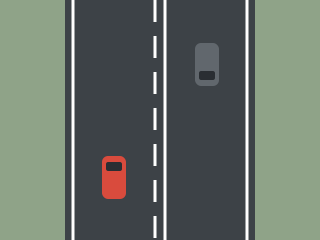 Double white linesThe line nearer to you decides if you may cross.
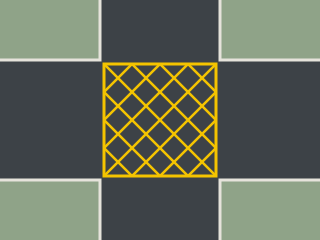 Yellow box junctionDo not go in unless your exit is clear.
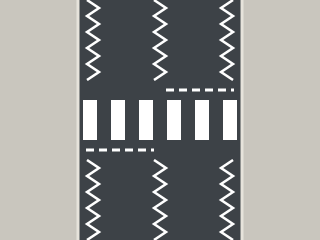 Zigzag linesNo parking, waiting or overtaking near a crossing.
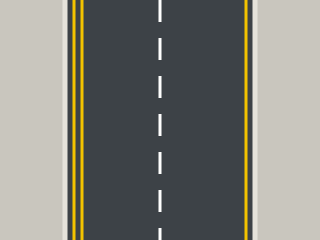 Yellow linesSingle and double yellow waiting restrictions.
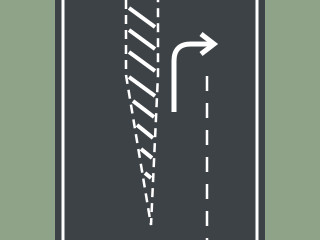 Hatched markingsDiagonal stripes that separate traffic.
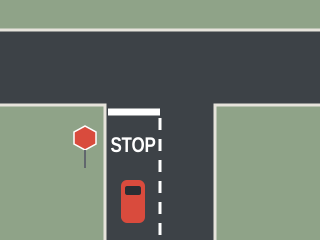 Stop lineStop completely behind the line.
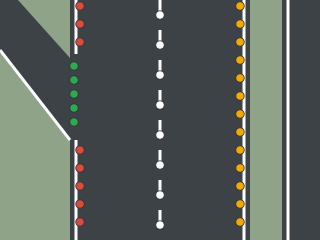 Reflective road studsColoured studs mark lanes and road edges.
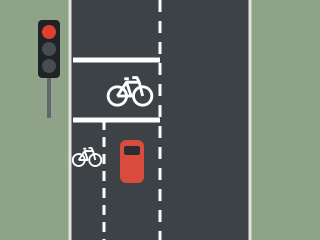 Advanced stop lineA box at traffic lights where cyclists wait.
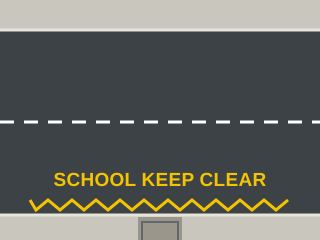 School keep clear markingsYellow zigzags outside a school: do not stop.
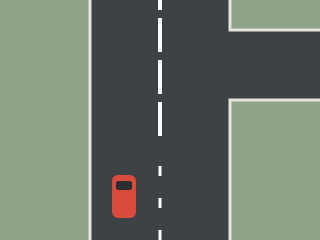 Hazard warning lineLong white dashes warn of a hazard ahead.
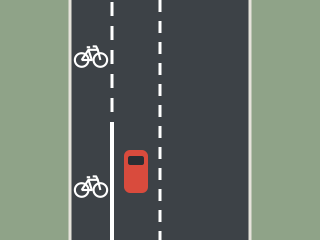 Cycle lane markingsWhite lines mark a lane for cyclists.
Try ten signs
Ten signs from the lists above. Pick the meaning to see if you are right, with the rule behind it. For all 41 questions, take the road signs quiz.
Ten road signs
-
What does this sign mean?
- Let traffic on the major road go first
- Double broken white lines across a junction
- A crossroads is ahead
- Stop completely at the line, then give way Right
The right answer is D: Stop completely at the line, then give way
WhyStop sign. The stop sign means you must stop completely behind the white line at the junction, even if the road is clear, and wait for a safe gap.
Source: The Highway Code, rule 171, GOV.UK, Know your traffic signs: regulatory signs, GOV.UK, The Highway Code: traffic signs, GOV.UK, Traffic sign images, Department for Transport, GOV.UK
-
What does this sign mean?
- Maximum speed 30 mph Right
- Go at least this fast, if it is safe
- Watch for children near a school
- The national limit for the road and vehicle applies
The right answer is A: Maximum speed 30 mph
Why30 mph speed limit sign. The 30 mph sign means the maximum speed is 30 mph from that point. It is a limit, not a target, so drive slower when conditions need it.
Source: The Highway Code, rule 124, GOV.UK, The Highway Code, rule 125, GOV.UK, Know your traffic signs: speed limit signs, GOV.UK, Know your traffic signs: information signs, GOV.UK, The Highway Code: traffic signs, GOV.UK, Traffic sign images, Department for Transport, GOV.UK
-
What does this sign mean?
- No vehicles, except bicycles pushed by hand
- A dead end for vehicles
- No vehicles may go in from this side
- Cars and motorcycles must not go in Right
The right answer is D: Cars and motorcycles must not go in
WhyNo motor vehicles sign. The no motor vehicles sign means motor vehicles, including cars and motorcycles, must not go past it. Pedal cycles are not motor vehicles, so it does not ban them.
Source: The Highway Code, rule 109, GOV.UK, Know your traffic signs: regulatory signs, GOV.UK, The Highway Code: traffic signs, GOV.UK, Traffic sign images, Department for Transport, GOV.UK
-
What does this sign mean?
- Traffic ahead goes in both directions
- Let traffic on the major road go first
- Oncoming traffic goes first through the narrow part Right
- You go first through the narrow part, with care
The right answer is C: Oncoming traffic goes first through the narrow part
WhyGive way to oncoming vehicles sign. This sign means oncoming traffic has priority. Where the road or bridge is too narrow for two vehicles, you must give way to vehicles coming the other way.
Source: The Highway Code, rule 109, GOV.UK, Know your traffic signs: regulatory signs, GOV.UK, The Highway Code: traffic signs, GOV.UK, Traffic sign images, Department for Transport, GOV.UK
-
What does this sign mean?
- Stop completely at the line, then give way
- Your road ends at a T-junction ahead
- A crossroads is ahead Right
- Let traffic on the major road go first
The right answer is C: A crossroads is ahead
WhyCrossroads sign. The crossroads sign warns that a crossroads is ahead. The broader line on the sign shows which road has priority through the junction.
Source: The Highway Code, rule 170, GOV.UK, Know your traffic signs: warning signs, GOV.UK, The Highway Code: traffic signs, GOV.UK, Traffic sign images, Department for Transport, GOV.UK
-
What does this sign mean?
- Traffic ahead goes in both directions Right
- All traffic goes in the direction of the arrow
- Oncoming traffic goes first through the narrow part
- The line nearer to you decides if you may cross
The right answer is A: Traffic ahead goes in both directions
WhyTwo-way traffic sign. The two-way traffic sign warns that the road ahead carries traffic in both directions, for example where a one-way road or a dual carriageway ends.
Source: The Highway Code, rule 160, GOV.UK, Know your traffic signs: warning signs, GOV.UK, The Highway Code: traffic signs, GOV.UK, Traffic sign images, Department for Transport, GOV.UK
-
What does this sign mean?
- The road bends ahead, here to the right
- Road works ahead
- The road surface ahead may be slippery Right
- A hazard ahead; the plate says what it is
The right answer is C: The road surface ahead may be slippery
WhySlippery road sign. The slippery road sign warns that the road surface ahead may be slippery. Slow down and brake, steer and accelerate gently.
Source: The Highway Code, rule 126, GOV.UK, The Highway Code, rule 227, GOV.UK, The Highway Code, rule 230, GOV.UK, The Highway Code, rule 231, GOV.UK, Know your traffic signs: warning signs, GOV.UK, The Highway Code: traffic signs, GOV.UK, Traffic sign images, Department for Transport, GOV.UK
-
What does this sign mean?
- Diagonal stripes that separate traffic
- Road works ahead Right
- Oncoming traffic goes first through the narrow part
- A hazard ahead; the plate says what it is
The right answer is B: Road works ahead
WhyRoad works sign. The road works sign warns of road works ahead. Take extra care, keep to any temporary speed limit and look for more signs telling you what to do.
Source: The Highway Code, rule 288, GOV.UK, The Highway Code, rule 289, GOV.UK, Know your traffic signs: signs for road works and temporary situations, GOV.UK, The Highway Code: traffic signs, GOV.UK, Traffic sign images, Department for Transport, GOV.UK
-
What does this sign mean?
- You go first through the narrow part, with care Right
- Traffic ahead goes in both directions
- All traffic goes in the direction of the arrow
- Oncoming traffic goes first through the narrow part
The right answer is A: You go first through the narrow part, with care
WhyPriority over oncoming vehicles sign. This blue sign means traffic in your direction has priority over vehicles coming the other way through the narrow section ahead. Still go carefully.
Source: The Highway Code: traffic signs, GOV.UK, Know your traffic signs: regulatory signs, GOV.UK, Traffic sign images, Department for Transport, GOV.UK
-
What do these markings mean?
- Do not overtake until the restriction ends
- The road bends ahead, here to the right
- Diagonal stripes that separate traffic
- The line nearer to you decides if you may cross Right
The right answer is D: The line nearer to you decides if you may cross
WhyDouble white lines. With double white lines, the line nearer to you decides. If it is solid, you must not cross or straddle it except in a few cases. If it is broken, you may cross to overtake when it is safe.
Source: The Highway Code, rule 128, GOV.UK, The Highway Code, rule 129, GOV.UK, The Highway Code, rule 240, GOV.UK, The Highway Code: road markings, GOV.UK, Know your traffic signs: road markings, GOV.UK
Your first full mock test in the app is free.
Your topics
- Road and traffic signsKnow it
- Motorway rulesOn the way
- Vulnerable road usersStamped
In the app, questions you miss come back until you get them right. 5 questions a day are free.
62 free questions on this website and 372 in the app, checked against The Highway Code, with the reason for every answer. About the app
Out now on iPhone and Android.


How to learn them
Each sign page has the sign itself, what it means in plain English, where you see it, what to do, a common mistake and a one-question quiz. Every fact comes from The Highway Code or Know your traffic signs on GOV.UK, and the sign pictures are the Department for Transport’s own images (the road marking and traffic light diagrams are our own drawings). Short of time? Start with the guide to sign shapes and colours.
- Learn the system first: shapes and colours explain most signs before you read them.
- Test yourself with the Highway Code quizzes, then try each sign’s own question.
- Play it as a family quiz: how a Drivoku game works.
The theory test’s multiple-choice questions are based on The Highway Code, Know your traffic signs and Driving: the essential skills (GOV.UK). See how the theory test works.
Sources
(4)
Contains public sector information licensed under the Open Government Licence v3.0. Traffic sign images are Crown copyright, from the Department for Transport. Sources and image credits.