UK regulatory signs: signs that give orders
Regulatory signs tell you what you must or must not do. Most of them are circular, and you must obey them.
Know your traffic signs, the Department for Transport’s guide, says most regulatory signs are circular. A red ring or red circle means a prohibition, something you must not do. A blue circle generally gives a positive instruction, something you must do, or shows a route only for certain vehicles.
There are two notable exceptions: the eight-sided STOP sign and the downward-pointing triangle of GIVE WAY. Some rectangular signs give orders too, such as one-way traffic. Rule 109 says you must obey signs that give orders.
UK regulatory signs
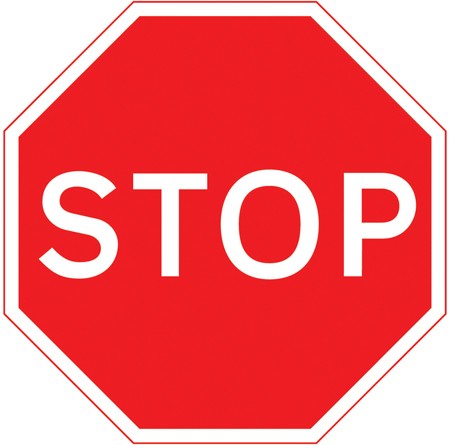 Stop signStop completely at the line, then give way.
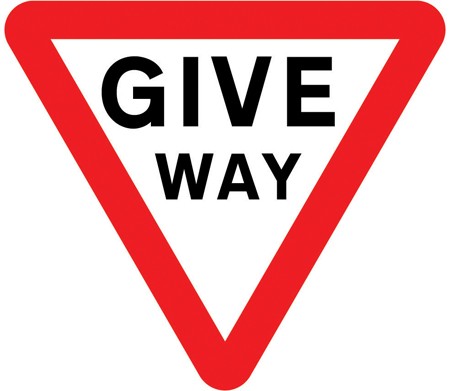 Give way signLet traffic on the major road go first.
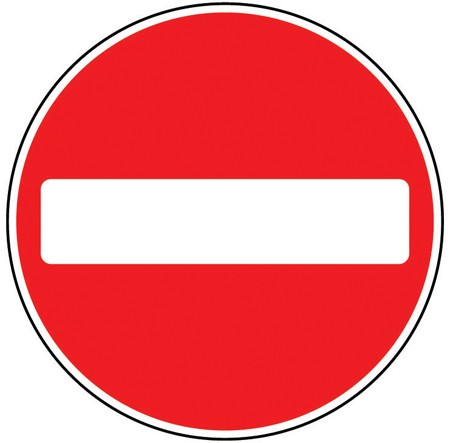 No entry signNo vehicles may go in from this side.
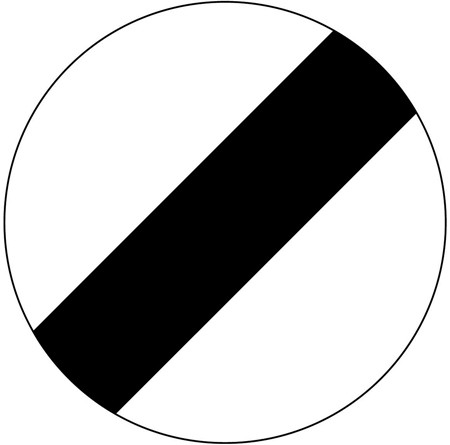 National speed limit signThe national limit for the road and vehicle applies.
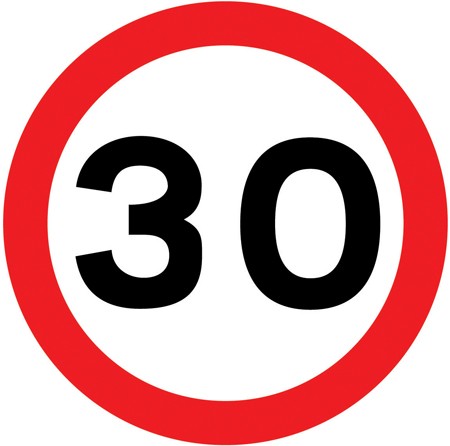 30 mph speed limit signMaximum speed 30 mph.
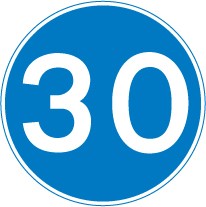 Minimum speed limit signGo at least this fast, if it is safe.
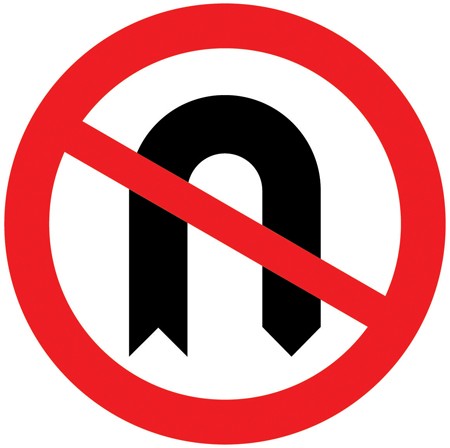 No U-turns signDo not turn round to go back the way you came.
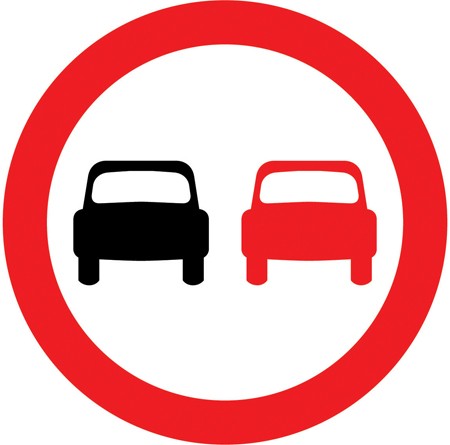 No overtaking signDo not overtake until the restriction ends.
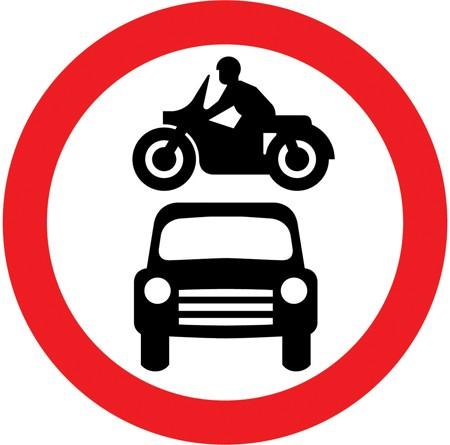 No motor vehicles signCars and motorcycles must not go in.
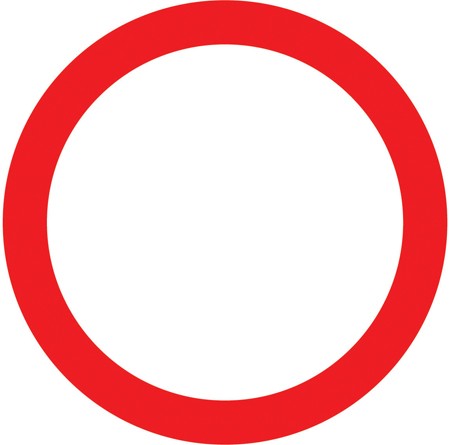 No vehicles signNo vehicles, except bicycles pushed by hand.
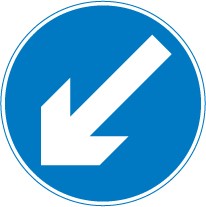 Keep left signPass on the left of the island or bollard.
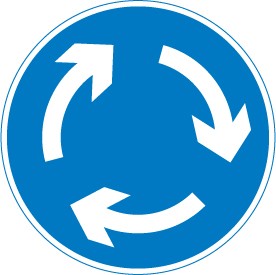 Mini-roundabout signGive way to traffic from your immediate right.
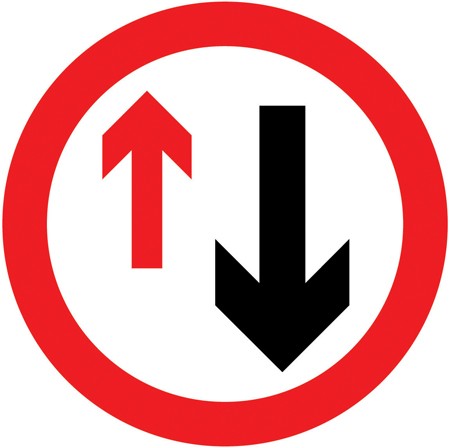 Give way to oncoming vehicles signOncoming traffic goes first through the narrow part.
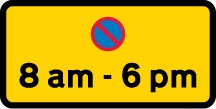 No waiting signNo waiting or parking at the times shown.
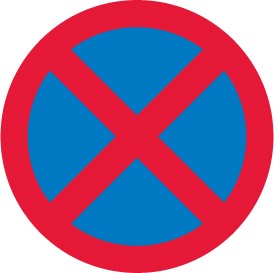 No stopping (clearway) signNo stopping at all, not even to drop off.
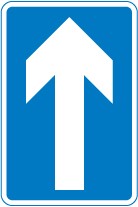 One-way traffic signAll traffic goes in the direction of the arrow.
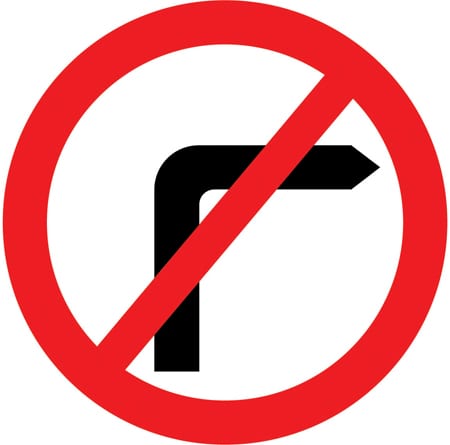 No right turn signDo not turn right here.
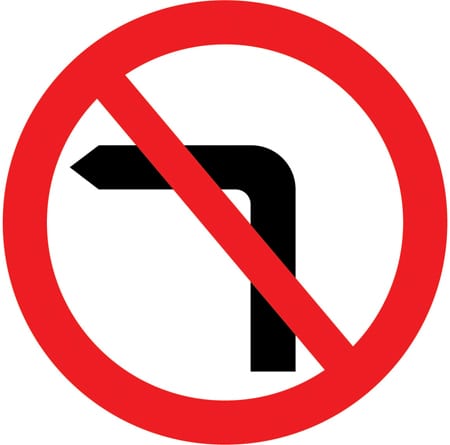 No left turn signDo not turn left here.
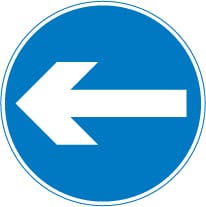 Turn left signYou must go the way the arrow points.
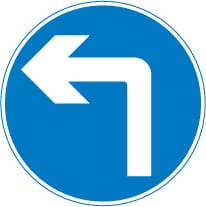 Turn left ahead signYou must turn left at the junction ahead.
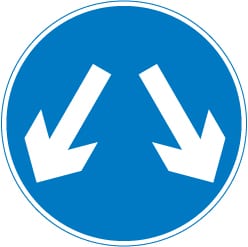 Pass either side signYou may pass on either side to the same place.
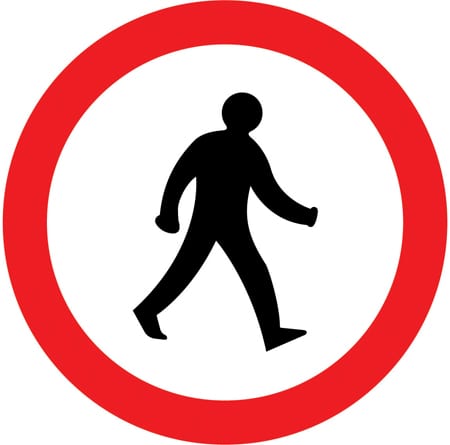 No pedestrians signPeople on foot must not go past here.
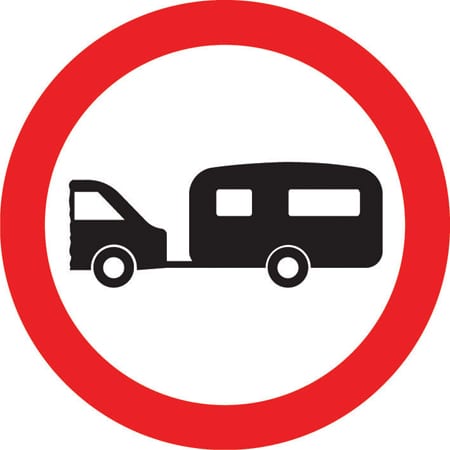 No towed caravans signVehicles towing caravans must not go in.
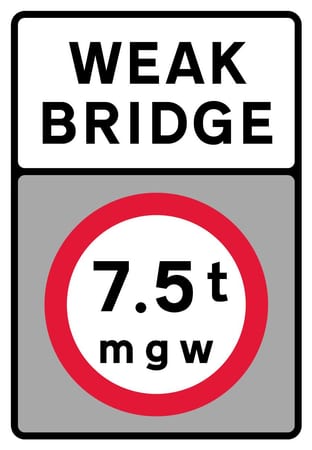 Weak bridge weight limit signNo vehicles over the weight shown on the bridge.
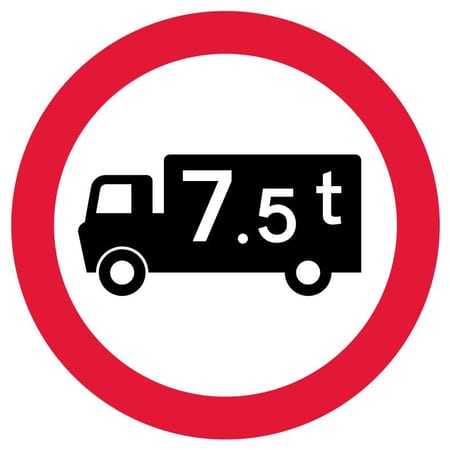 No goods vehicles over 7.5 tonnes signLorries over the weight shown must not go in.
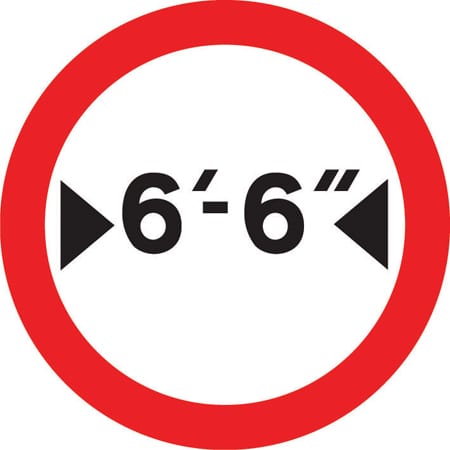 Width limit signNo vehicles wider than shown.
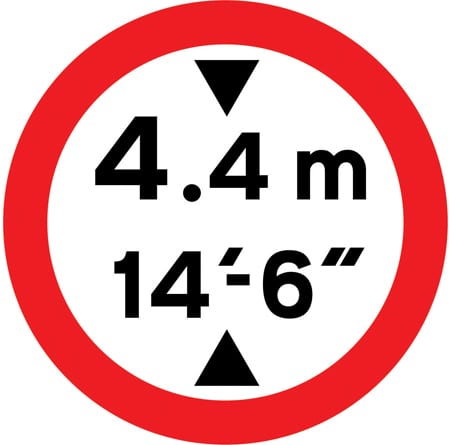 Height limit signNo vehicles taller than shown.
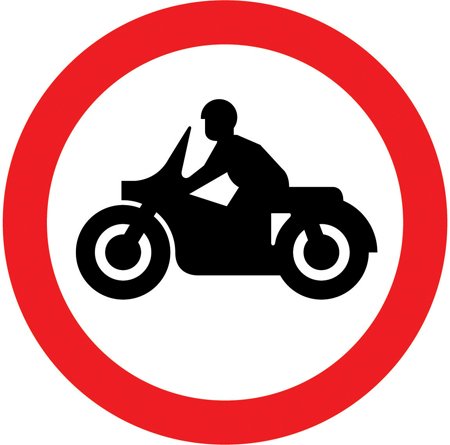 No solo motorcycles signMotorcycles without a sidecar must not go in.
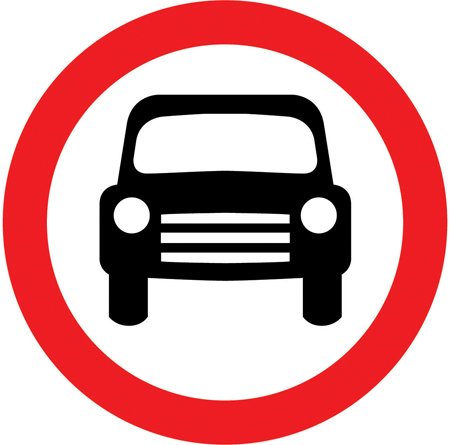 No motor vehicles except solo motorcycles signNo motor vehicles, but solo motorcycles may go in.
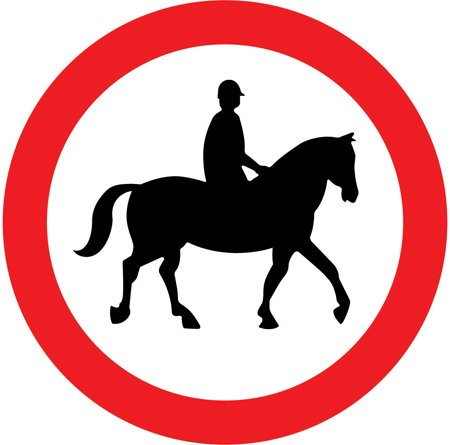 No ridden or accompanied horses signNo horses may be ridden or led past here.
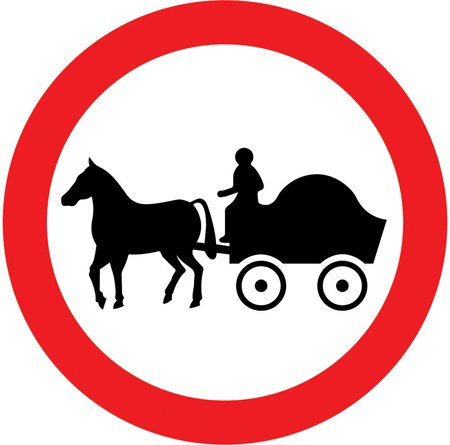 No horse-drawn vehicles signHorse-drawn vehicles must not go in.
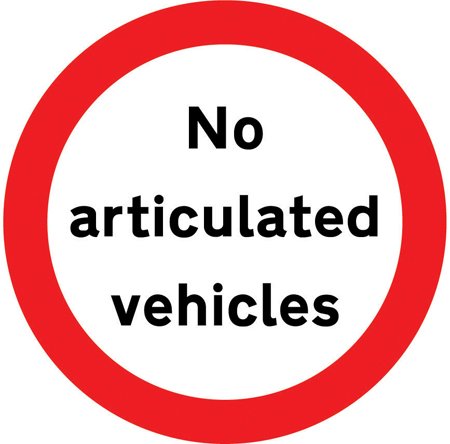 No articulated vehicles signArticulated lorries must not go in.
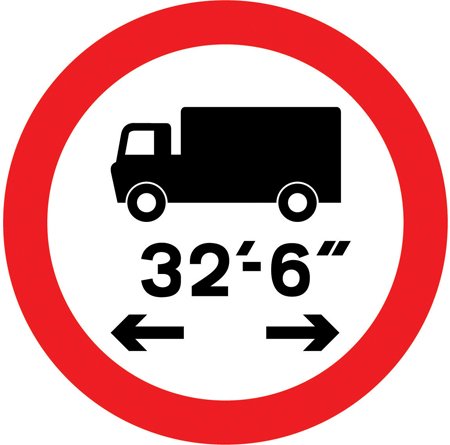 Length limit signNo vehicles longer than shown.
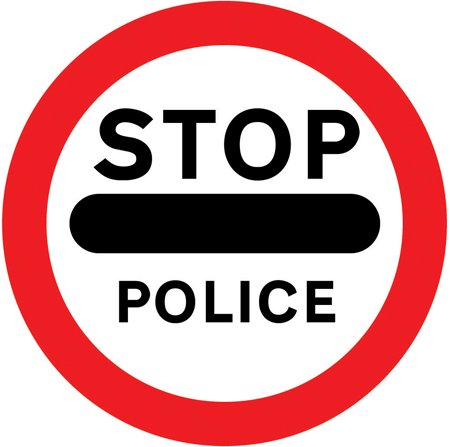 Stop police signStop when a police officer shows this sign.
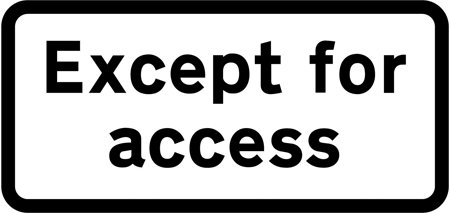 Except for access plateOnly vehicles that need access may go in.
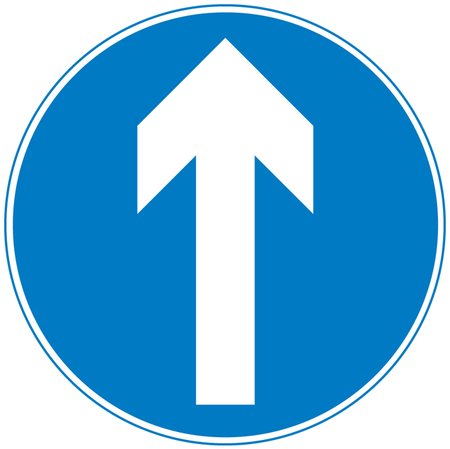 Ahead only signGo straight ahead only.
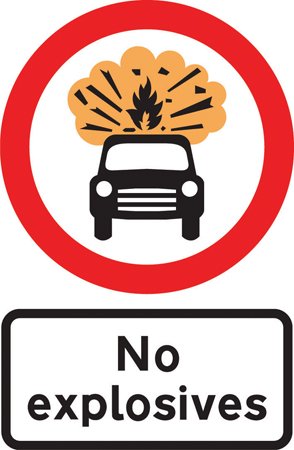 No vehicles carrying explosives signVehicles carrying explosives must not go in.
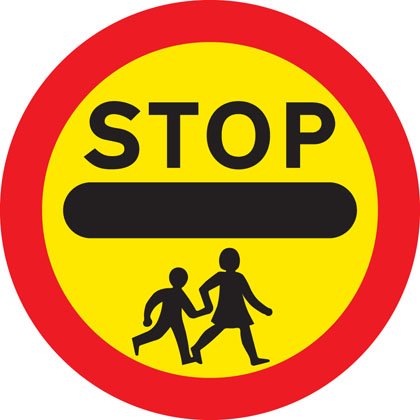 School crossing patrol signStop when the patrol holds this sign up.
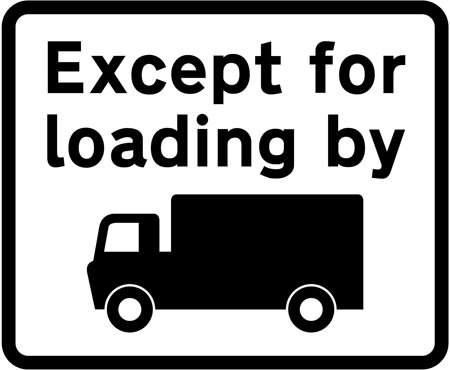 Except for loading plateGoods vehicles may enter to load or unload.
Test yourself
What does a red ring or red circle on a UK sign usually mean?
- Something you must not do
- Something you must do
- Information only
Show answer
A. Something you must not do. A red ring or circle indicates a prohibition (Know your traffic signs). Source: Know your traffic signs: regulatory signs, GOV.UK; Know your traffic signs: the signing system, GOV.UK; The Highway Code: traffic signs, GOV.UK; The Highway Code, rule 109, GOV.UK
Every sign page has its own quick question. For more practice, try the Highway Code quizzes.
More signs and markings
- Speed limit signs
- Warning signs
- Level crossing signs
- Bus, cycle and tram signs
- Information signs
- Motorway signs and signals
- Road works signs
- Traffic lights and signals
- Road markings
- All road signs
Sources
(4)
Contains public sector information licensed under the Open Government Licence v3.0. Traffic sign images are Crown copyright, from the Department for Transport. Sources and image credits.